The keto diet is now a popular topic. Some people say it helps with weight loss and energy, while others find it too hard to keep up with.
If you are thinking about trying keto, it’s important to know what it involves, what research says, and what challenges you may face. This diet takes real commitment and planning.
Before making big changes to your diet, especially with something as strict as keto, talk with your doctor or a registered dietitian. This is very important if you have health conditions, take medication, or have a history of disordered eating.
What Is the Keto Diet?
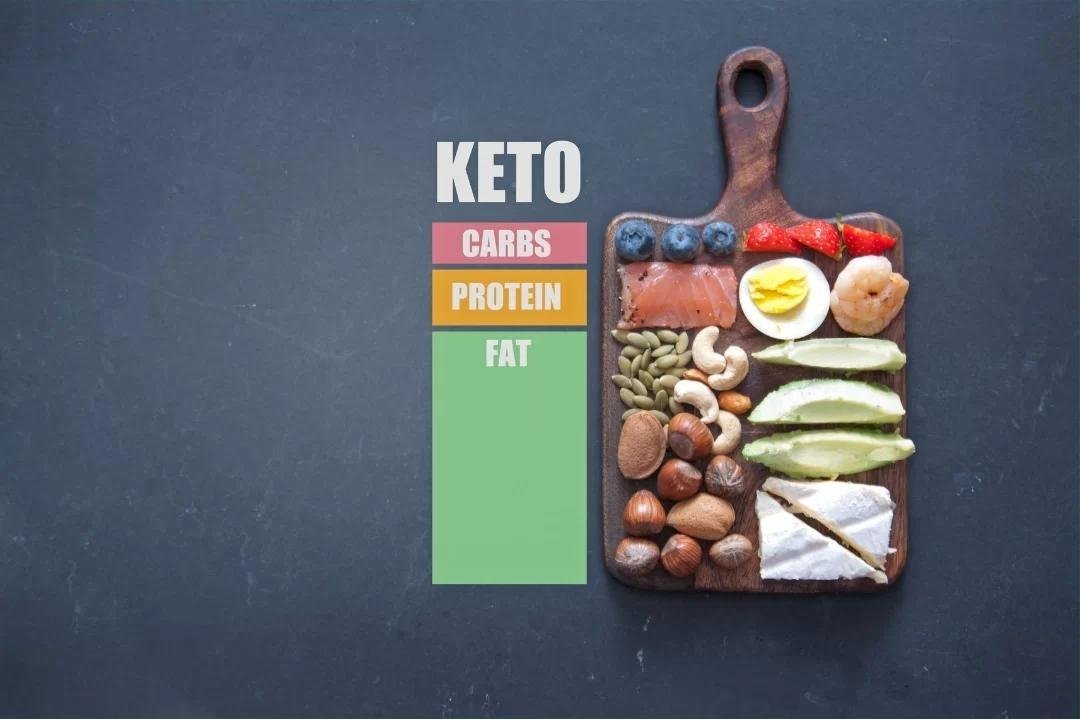
The ketogenic diet cuts out most carbohydrates and replaces them with fat. Here is the usual breakdown:
- 70-75% of calories from fat
- 20-25% from protein
- 5-10% from carbohydrates (usually 20-50 grams per day)
To give you an idea, 20 grams of carbs is about the same as one medium apple or two slices of bread. Most people on a regular diet eat 200-300 grams of carbs each day.
When you cut carbs this much, your body goes into a state called ketosis. Without enough glucose, your liver turns fat into ketones, which your body uses for energy.
This usually takes 2 to 4 days of eating less than 50 grams of carbs per day, but it can be different for each person.
How Ketosis Works
Usually, your body uses glucose from carbs for energy. When you eat carbs, your blood sugar goes up, insulin is released, and glucose moves into your cells.
On keto, with very few carbs, insulin levels go down and your body starts burning stored fat. Your liver changes fatty acids into ketones, which can reach your brain and provide energy.
This is the same state your body enters during long periods without food. That’s why some people notice similar effects from both fasting and keto.
What You Eat on Keto
Foods to eat more:
- Fats: Olive oil, coconut oil, butter, ghee, avocados
- Proteins: Eggs, fatty fish (salmon, mackerel), meat, poultry
- Low-carb vegetables: Leafy greens, broccoli, cauliflower, courgettes, peppers
- Dairy: Cheese, Greek yoghurt, cream (full-fat versions)
- Nuts and seeds: Almonds, walnuts, chia seeds, flaxseeds
- Berries: Small portions of strawberries, raspberries, blackberries
Foods to avoid or limit strictly:
- Grains: Bread, pasta, rice, oats, cereals
- Sugar: Sweets, soft drinks, fruit juice, most desserts
- Most fruits: Bananas, apples, grapes, oranges (too high in carbs)
- Starchy vegetables: Potatoes, sweet potatoes, corn, peas
- Legumes: Beans, lentils, chickpeas
- Processed foods: Most packaged snacks, sauces with added sugar
Potential Benefits of the Keto Diet
There has been much more research on keto in the past ten years. Here is what the evidence shows:
1. Weight Loss
Several studies show that people on keto often lose more weight in the first 3 to 6 months than those on low-fat diets. Some of this is water weight at first, but ketosis may also help reduce appetite and burn more fat.
However, keeping the weight off long-term depends on whether you can stick with the diet.
2. Blood Sugar Control
For people with Type 2 diabetes or prediabetes, keto can significantly improve blood sugar levels and reduce the need for medication. One study found that participants following a keto diet for one year reduced their HbA1c (a measure of long-term blood sugar) more than those on a standard low-calorie diet.
If you have diabetes and take medication, work closely with your doctor when starting keto, as your medication needs may change.
3. Steadier Energy Levels
Many people say their energy feels steadier throughout the day once they get used to ketosis. Without the ups and downs from eating lots of carbs, energy often feels more stable.
It usually takes 1 to 2 weeks to adjust, but some people need more time.
4. Mental Clarity
Some studies suggest that ketones might be a better fuel for the brain. The keto diet was first created in the 1920s to help treat epilepsy, and it is still used for that today.
It’s not clear if keto helps healthy people think better. Some studies show small improvements in focus and speed, but more research is needed.
Challenges and Side Effects
Keto is not easy, and there are real downsides you should know about before starting.
1. Keto Flu
In the first week, many people get what’s called “keto flu.” This means you might have symptoms like:
- Headaches
- Fatigue
- Dizziness
- Nausea
- Irritability
- Difficulty concentrating
This happens as your body switches from burning glucose to burning fat. Drinking enough water and getting enough sodium, potassium, and magnesium can help with symptoms.
Most people start to feel better after a week, but the first days can be uncomfortable.
2. Digestive Changes
Removing fibre-rich foods like whole grains, beans, and most fruits can cause constipation. Some people also get diarrhea as their body gets used to more fat.
Eating lots of low-carb vegetables and drinking enough water can help, but digestive problems are a common reason people stop keto.
3. Social and Practical Difficulties
Keto takes careful planning, especially when you eat out or go to social events. Most restaurant meals include bread, pasta, or rice, so you may need to ask for changes or avoid some foods.
Many people find this part of keto harder than the diet itself.
4. Nutrient Deficiencies
Since keto cuts out many healthy foods like whole grains, beans, and most fruits, you might not get enough fibre, B vitamins, magnesium, and other nutrients.
Taking a multivitamin and choosing your vegetables carefully can help, but you should keep an eye on your nutrition.
5. Difficulty Maintaining Long-Term
Studies show that most people do not stay on keto for more than a few months. The diet is very strict, and when you start eating carbs again, it is common to regain weight.
Some people go on and off keto or try a version with a bit more carbs, like 30 to 50 grams a day. This can be easier to stick with.
Who Should Avoid Keto
Keto isn’t safe or appropriate for everyone. You should avoid this diet if you:
- Have kidney disease or a history of kidney stones
- Have liver disease
- Have a history of disordered eating.
- Are you pregnant or breastfeeding
- Have pancreatitis
- Take certain medications (particularly for diabetes or blood pressure)
Even if you are healthy, talk with your doctor before starting. Keto can change your medication needs and may not be right for everyone, depending on your health and goals.
Getting Started (If Keto Is Right for You)
If you decide to try keto after consulting with your doctor specially if you have long term medical condtions such as diabetes or if you are taking medication.
- Start slowly: Some people cut carbs little by little over 1 to 2 weeks instead of making a big change all at once. This can make it easier to adjust.
- Track your macros at first: Apps like Carb Manager or MyFitnessPal can help you see what 20 grams of carbs looks like in real foods. After a few weeks, you might not need to track as carefully.
- Stay hydrated: Drink lots of water, especially in the first week. Keto makes you lose water weight quickly.
- Choose whole foods: Eat vegetables, good proteins, and healthy fats instead of processed “keto-friendly” packaged foods.
Be patient: Your body needs time to adjust. Wait at least 3 to 4 weeks before deciding if keto works for you.
Final Thoughts
The keto diet can help with weight loss and blood sugar, but it is not a quick fix. It takes real commitment, planning, and attention to what you eat.
For some, keto works very well. For others, it is too hard to keep up with or does not fit their lifestyle or health needs. Either choice is okay.
If you are thinking about keto, talk with a healthcare provider first. They can help you decide if it is right for you and help you watch your health as you adjust.
The best diet is one you can stick with that meets your nutrition needs and supports your health.