Losing belly fat feels impossible when you’re drowning in conflicting advice.
Miracle cleanses promise quick results. Detox teas drain your wallet. Extreme diets leave you hungry and irritable. Most of these approaches fail because they’re not sustainable.
You don’t need to starve yourself or do endless crunches. A few proven strategies can help you reduce belly fat without the misery.
Here’s what actually works.
Why Belly Fat Deserves Attention
Not all body fat is the same. The fat around your midsection, especially the kind that surrounds your organs (called visceral fat), raises serious health risks.
Too much belly fat increases your risk for heart disease, type 2 diabetes, and metabolic issues. This isn’t just about appearance. It’s about your long-term health.
Your body responds well to steady, realistic changes. You don’t need extreme diets or exhausting workouts. You just need a plan that fits your life.
1. Cut Sugar from Your Drinks
Sugary drinks are a major cause of belly fat. Even drinks that look healthy can have a lot of sugar.
Your body handles liquid sugar differently from sugar from whole foods. It enters your bloodstream quickly, causes insulin spikes, and is often stored as fat around your belly if you have more than you need.
Fruit juices, smoothies with extra sweeteners, energy drinks, and regular sodas all count as sugary drinks. Even a glass of orange juice after a workout has more sugar than your body needs at one time.
What to try instead:
- Sparkling water with fresh lemon or lime
- Cold-brewed herbal tea (mint, hibiscus, or ginger works well)
- Plain water with cucumber slices
- Black coffee or tea without added sugar
If you’re used to sweet drinks, switching might taste bland at first. Give it about two weeks. Your taste buds adjust quickly, and soon you’ll notice how sweet your old drinks really were.
2. Add More Protein to Your Meals
Protein does several things that help with fat loss.
First, protein keeps you full longer than carbs or fats do. You’ll likely eat less throughout the day.
Second, your body uses more energy to digest protein than other nutrients. You burn extra calories just by eating it.
Third, protein helps you keep muscle when you’re eating fewer calories. More muscle means you burn more calories even at rest.
Getting about 25-30% of your daily calories from protein helps you lose fat and keep muscle. You don’t have to track every bite. Just include more protein in your meals.
Good protein sources:
- Eggs (scrambled, boiled, or poached)
- Greek yogurt without added sugar
- Chicken, fish, or lean meat
- Chickpeas, lentils, and beans
- Tofu or tempeh
- Protein powder, if you need convenience
One of the easiest changes is to add protein to your breakfast. If you usually eat toast and jam, try scrambled eggs on toast instead. If you have cereal, switch to Greek yogurt with berries.
3. Choose Complex Carbs Over Refined Carbs
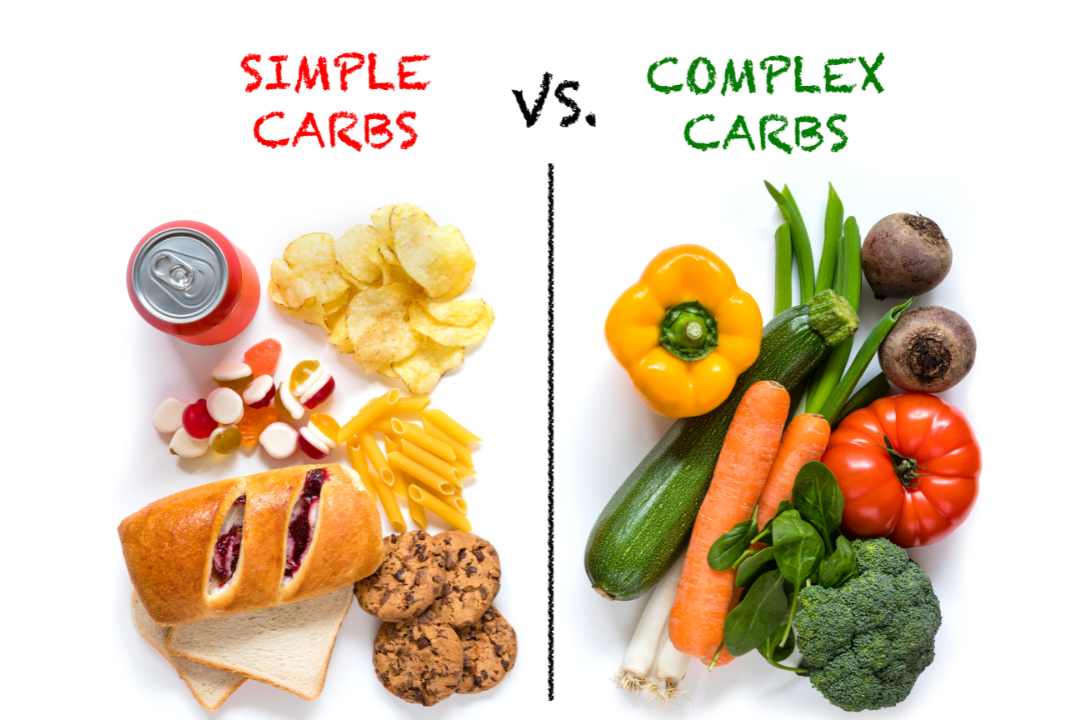
Carbs themselves aren’t the problem—it’s the refined carbs that cause issues.
Refined carbs like white bread, pastries, sugary cereals, and white rice lose most of their fiber and nutrients during processing. They digest fast, spike your blood sugar, and leave you hungry again soon.
This cycle of blood sugar spikes and crashes leads to cravings and makes it harder to eat less. It also encourages your body to store more fat, especially around your belly.
Complex carbs are different. They are high in fiber and digest more slowly, which helps keep your blood sugar steady, gives you lasting energy, and helps you feel full between meals.
Simple swaps:
- White rice → brown rice, quinoa, or farro
- White bread → wholegrain bread or sourdough
- Regular pasta → wholewheat pasta or lentil pasta
- Chips → roasted sweet potato wedges
- Sugary cereal → oats with nuts and berries
You don’t have to cut out refined carbs entirely. Just eating less of them and choosing more complex carbs can make a real difference in how you feel and how your body reacts.
4. Increase Your Fiber Intake
Fiber often gets overlooked, but it’s one of the best ways to reduce belly fat.
Soluble fiber slows down digestion and helps you feel full. It also feeds good gut bacteria, which may affect your metabolism and how your body stores fat.
Eating more fiber reduces belly fat over time. The change isn’t dramatic, but it’s steady and sustainable.
Most people get only about half the fiber they need. Slowly increasing your fiber intake to 25-30 grams a day helps control your appetite and improve digestion.
High-fiber foods:
- Vegetables (especially leafy greens, broccoli, Brussels sprouts)
- Berries (raspberries and blackberries are highest)
- Beans and lentils
- Chia seeds and flax seeds
- Oats and barley
- Apples and pears (with skin)
- Nuts and seeds
Increase fiber slowly. Adding too much at once can cause bloating or stomach discomfort. Spread high-fiber foods throughout your meals and drink plenty of water to help your body adjust.
5. Drink Water Before Meals
This might sound too simple, but it actually works.
Drinking water 20-30 minutes before meals helps you eat less without having to watch your portions closely. It makes you feel full, so it’s easier to stop when you’re satisfied instead of overly full.
People who drink water before meals usually eat fewer calories overall. The effect isn’t massive, but when you combine it with other habits, it adds up.
Drinking water also helps you avoid confusing thirst with hunger. Sometimes when you want a snack, your body just needs a drink.
How to make it a habit:
- Keep a water bottle visible throughout the day
- Set a reminder on your phone 30 minutes before your usual meal times
- Start with just one meal per day, then expand
- Track it for a week to build the habit
You don’t have to drink a lot. Just one glass (about 250-300ml) before a meal is enough to help.
6. Try High-Intensity Interval Training (HIIT)
Long, steady cardio isn’t the only way to burn fat. It might not even be the most effective way.
High-intensity interval training (HIIT) involves short bursts of high-intensity exercise with brief rest periods. A HIIT workout usually takes 15-20 minutes but works as well as an hour of steady cardio.
HIIT is especially effective for reducing belly fat. It raises your metabolism for hours after you finish. You keep burning calories even when you’re resting.
It also helps you keep more muscle than long cardio sessions do. This matters because muscle keeps your metabolism high as you lose fat.
Simple HIIT structure:
- Warm up for 5 minutes (light jogging or jumping jacks)
- Do 30 seconds of intense effort (sprinting, burpees, mountain climbers)
- Rest or move gently for 30-60 seconds
- Repeat 8-10 times
- Cool down for 5 minutes
You can do HIIT with bodyweight moves, running, cycling, or swimming. The main thing is to work hard during the intense parts and rest enough between them.
If you’re new to exercise or have health issues, start slowly. Begin with just 5-10 minutes and add more time as you get fitter.
What Doesn’t Work (So You Can Stop Wasting Time)
Spot reduction: You can’t lose belly fat just by doing crunches or planks. These moves make your core stronger, but they don’t burn the fat on top. Fat loss happens all over your body, depending on your genetics and how many calories you burn.
Detox teas and cleanses: Your liver and kidneys already flush toxins from your body. Expensive teas might make you lose water or act as laxatives, but they don’t get rid of real body fat.
Very low-calorie diets: Eating too little slows down your metabolism and makes it harder to lose fat over time. You might lose weight at first, but most of it is water and muscle, not fat.
Fat-burning supplements: Most of these don’t work, and the few that do have such tiny effects that they’re not worth the money or possible side effects.
Building a Sustainable Approach
Losing belly fat isn’t about being perfect. It’s about sticking with habits you can keep up long-term.
Pick one or two changes from this list to start. Try them for three or four weeks. Pay attention to how you feel, not just the number on the scale. More energy, better digestion, and a steadier mood all show you’re on the right track.
Once those changes feel routine, add another. Small steps that build on each other lead to lasting results, without the burnout of trying to change everything at once.
Your body needs time to adjust. Fat loss is slow—expect to lose no more than 0.5 to 1 kg per week. If you lose weight faster, it’s probably just water or muscle, not fat.
When to Seek Professional Support
If you’ve made real changes to your diet and exercise for a few months but still aren’t seeing results, it may be time to talk to a healthcare professional.
Sometimes factors such as hormone imbalances, certain medications, or metabolic problems can make fat loss harder. A doctor or registered dietitian can help determine whether something else is going on and develop a plan that fits your needs.
The Bottom Line
You don’t have to change your whole life to lose belly fat. You just need a few proven strategies you can stick with long enough to see results.
Cut out sugary drinks. Eat more protein and fiber. Pick complex carbs instead of refined ones. Drink enough water. Find ways to move your body that challenge you without wearing you out.
Start from where you are. Choose one change and see how you feel after two weeks. This isn’t about control or punishment—it’s about helping your body in ways that really work.
Your body isn’t the problem. Give it what it needs, and it will respond.