Updated on 08.01.2026
Most of us don’t struggle with health habits because we don’t know what to do. We already know we should exercise, get enough sleep, and eat well. The real challenge is figuring out why we lose momentum and how to create routines that last.
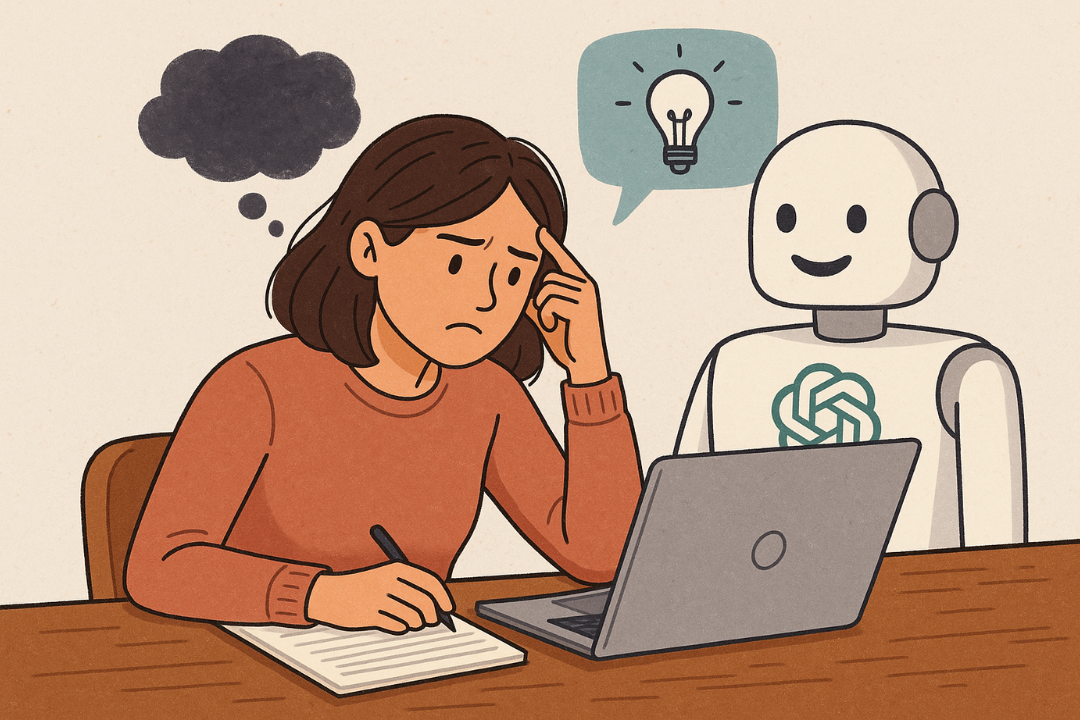
This is where ChatGPT can help with habit tracking. It’s not meant to replace habit apps, but it can act as a thinking partner that helps you reflect, plan, and adjust your habits without judgment.
Why Traditional Habit Tracking Often Falls Short
Most habit tracking apps are about logging your actions. You check a box and try to keep a streak going. But if you miss a day, the app doesn’t help you understand why or how to get back on track.
What’s often missing is reflection. It’s more important to understand your behavior patterns than to just count how many days in a row you succeeded.
This is where tools like ChatGPT can really help. They give you a chance to think about your habits and adjust your approach, instead of just starting over each time.
How ChatGPT Works as a Habit Reflection Tool
Rather than only tracking what you finish, you can use ChatGPT to figure out what’s working and what’s not. It’s like talking to someone who asks helpful questions and doesn’t judge you.
Here’s a practical prompt to try for weekly habit reflection:
Weekly Reflection Prompt:
“Act as my wellness accountability partner. Help me reflect on my current habits in fitness, nutrition, sleep, and stress management. Ask me questions to identify what’s working, what’s not, and help me plan small, achievable steps for the coming week.” This method has a few benefits. It makes you explain your challenges clearly, helps you notice patterns you might not see alone, and creates a plan that fits your real situation instead of giving you generic tips. |
The Questions That Actually Help
When you’re open about your struggles, ChatGPT can help you look deeper by asking follow-up questions like these:
- What made it difficult this week?
- Which part of your routine feels hardest to maintain?
- What’s one small change that would make tomorrow easier?
- How does your energy level affect your habits?
These questions help you move from thinking, “I failed,” to asking, “What made it hard?” This small change makes it easier to find solutions instead of just feeling bad.
Practical Ways to Use ChatGPT for Habit Building
Here are some specific approaches that work well:
- Sunday Planning: At the start of each week, use ChatGPT to look back at last week and set realistic goals for the days ahead. Mention your schedule, energy, and any other commitments.
- Troubleshooting Sessions: If a habit isn’t working, tell ChatGPT about the situation and ask for help finding obstacles and possible solutions. Talking it through often helps you notice patterns you missed.
- Motivation Check-ins: If you’re losing motivation, use ChatGPT to remind yourself why you started building the habit. Sometimes remembering your reasons can help you get back on track.
- Progress Reflection: Every few weeks, look back at your ChatGPT conversations to see your progress. This gives you a record of your thoughts and growth that most tracking apps don’t offer.
Why This Approach Works
Most health advice tells you what actions to take. Using ChatGPT for habit tracking helps you figure out why you’re not following through and how to create routines that work for your actual life.
The real benefit isn’t the AI itself. It’s about building a habit of regular reflection and making smart changes. ChatGPT just makes it easier to have these important conversations with yourself.
You’re not aiming for perfection or just keeping up streaks. You’re learning how your habits, energy, stress, and life all fit together. This understanding helps you stay consistent.
Getting Started
If you want to try this, start small. Choose one Sunday this month and spend ten minutes with ChatGPT thinking about your habits. Be honest about what went well and what didn’t. Ask for help planning the next week.
You don’t need fancy prompts or complicated systems. Just start a conversation with:
| “I’m trying to build better habits around [fitness/sleep/nutrition]. Can you help me think through what’s getting in the way?” |
The conversation that follows can help you see your patterns more clearly. That kind of clarity is what leads to lasting change.