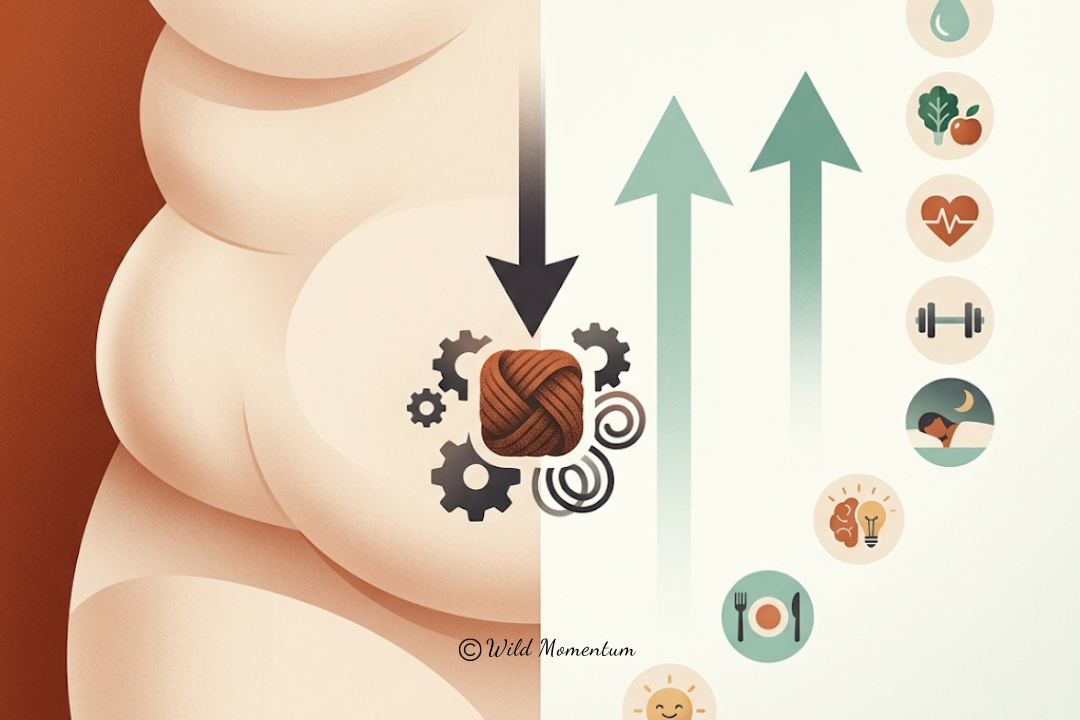
Most people carry a little extra weight around their middle. But belly fat is different from the fat you can pinch on your arms or thighs.
This type of fat sits deep inside your tummy, wrapped around your liver, intestine, and pancreas. Your body treats it almost like an organ — it releases chemicals that harm you, such as raising your blood pressure, disrupting your blood sugar, and driving inflammation. That is why your waist size matters more to your health than the number on the scale.
The frustrating part is that belly fat does not reduce easily. But it does respond to the right habits. You do not need a strict diet or hours at the gym. You need a few changes you can actually stick to.
Here are eight things that genuinely help.
1. Slow down when you eat
Your brain needs about 20 minutes to register that you are full. Most people finish a meal in half that time. So you keep eating past the point at which your body actually needs — not because you are greedy, but because the signal has not arrived yet.
Think of it like a thermostat with a delay. The room has already warmed up, but the heat keeps running because the sensor has not caught up. Eating slowly gives the signal time to land.
When you chew more and put your fork down between bites, you naturally eat less without feeling hungry. You also digest better and feel less bloated after meals. Put your fork down after each bite and take a breath before picking it up again. It feels odd at first, but it quickly becomes automatic.
2. Cut back on refined carbohydrates
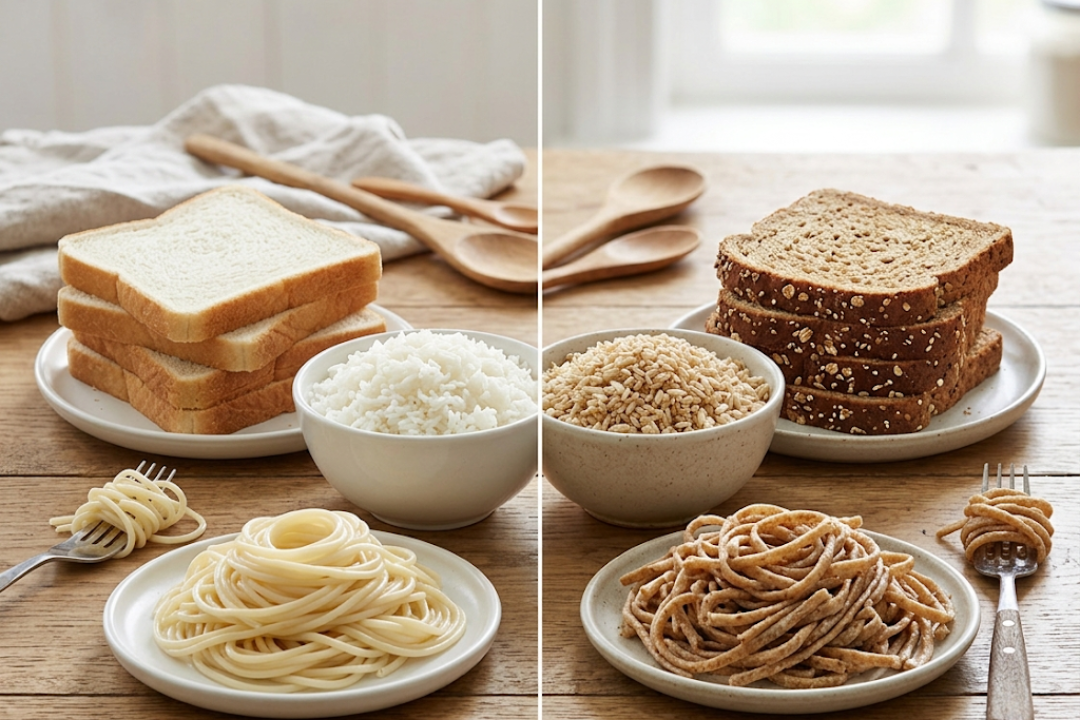
White bread, white rice, pastries, and most breakfast cereals do one thing really well: they spike your blood sugar fast. Your body responds by releasing a large amount of insulin, the hormone that regulates blood sugar levels. Too much insulin, too often, tells your body to store fat around your belly.
Whole grains work differently. Oats, rye, quinoa, and brown rice release energy slowly, like a log burning steadily instead of paper flaring up and dying out. Your insulin levels stay much more stable, and your body has less reason to store fat.
You do not have to give up carbs entirely. Just start choosing slower ones. Swapping your usual morning toast or cereal for oats or rye bread is enough to steady your energy all morning and reduce insulin spikes over time.
3. Eat more fiber
Fiber does three useful things. It slows digestion, so you feel full for longer. It feeds the good bacteria in your gut, which affects how your body handles energy and inflammation. And soluble fiber, the type that dissolves in water, is especially good at reducing belly fat over time.
You find soluble fiber in oats, beans, apples, chia seeds, and lentils. Most adults eat about half the amount they need each day. There is plenty of room to improve without a major diet change.
Adding one fiber-rich food per meal is enough to make a real difference. Add beans to your salad at lunch, stir chia seeds into your yogurt, or include an extra serving of vegetables at dinner. Small additions add up quickly.
4. Limit processed foods
Packaged snacks and ready meals are built to taste good. That is not an accident. They are designed with combinations of sugar, fat, and salt that make it hard to stop eating. But they are low in fiber and real nutrients, which means your body gets the calories without the fullness.
The result: you eat more than you intended, your blood sugar swings up and down, and inflammation in your body builds up over time. All of this makes belly fat much harder to shift.
Whole foods do the opposite. Vegetables, fruit, lean protein, whole grains, and healthy fats help your body feel satisfied and work more efficiently. A simple place to start: pick one packaged food from your kitchen and check the ingredient list. If it has more than five ingredients or words you cannot pronounce, replace it with a simpler option this week.
5. Drink more water — especially before meals
Your body sometimes confuses thirst for hunger. When you are mildly dehydrated, you may feel a vague urge to eat, even when your stomach is not actually empty. Reaching for a snack when you really need water is an easy way to take in more calories than you need.
Drinking two glasses of water about 30 minutes before a meal helps in two ways. It reduces how much you eat without making you feel restricted, and it supports your metabolism and kidney function throughout the day.
Aim for roughly eight glasses a day, and a little more if you exercise or it is a hot day. Keeping a glass next to your kettle helps — every time you make a hot drink, pour a glass of water first. It is one of the easiest habits to build.
6. Include protein at every meal
Protein does something other food types do not. Your body actually burns energy just to digest it. This is called the thermic effect of food, and protein costs much more to process than carbs or fat. That gap adds up over a week.
On top of that, protein keeps you full longer and protects your muscles as you lose weight. The more muscle you keep, the higher your metabolism stays. That means you burn more calories even when you are sitting still.
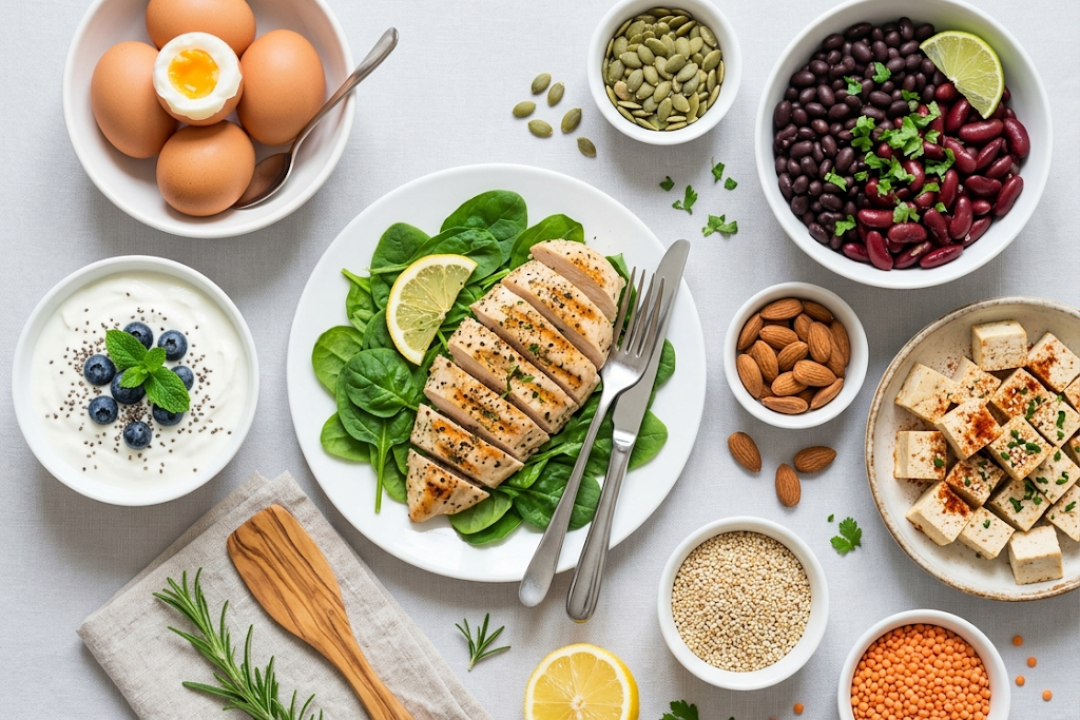
Good sources include eggs, fish, chicken, tofu, beans, lentils, and Greek yogurt. Try to spread your protein across the day rather than saving most of it for dinner, since your body can only process so much at once. If your usual breakfast is just toast or cereal, adding a boiled egg or a portion of Greek yogurt makes a real difference to how full you feel by lunchtime.
7. Exercise more — consistently, not intensely
You do not need a punishing workout routine. Most people assume they need to push hard. They do not. Consistency matters far more than intensity.
Regular movement burns calories and builds muscle. It also helps your body respond better to insulin, which directly targets fat stored around your middle.
Aim for 150 minutes of moderate activity spread across the week. Brisk walking counts. So does cycling, swimming, or dancing in your living room. Add some resistance work twice a week, whether that is weights, resistance bands, or bodyweight exercises. Muscle burns more energy than fat even at rest, so building a little of it has a lasting effect.
The small stuff counts too. Taking the stairs, walking during phone calls, or standing up every hour all add up over a week. Choose one activity you actually enjoy and commit to 20 minutes today. The best workout is the one you will do again tomorrow.
8. Consider time-restricted eating — but only if it fits your life
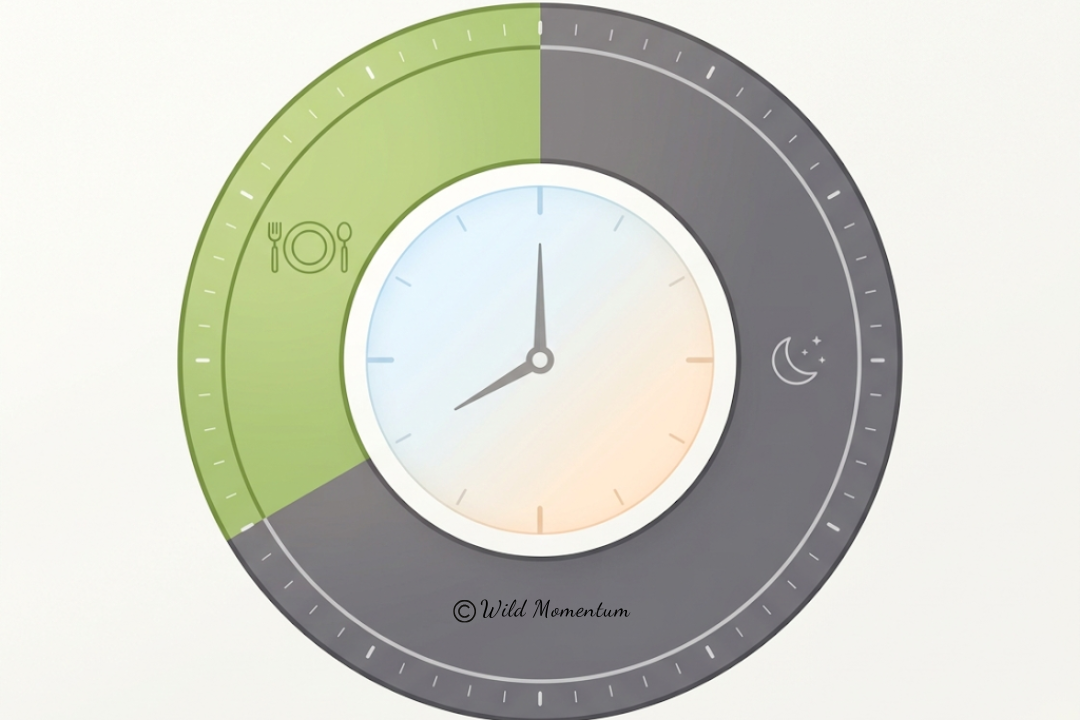
Time-restricted eating means choosing a set window each day for eating, typically 8 to 10 hours, and not eating outside that window. Many people find it naturally reduces how much they eat without counting calories. It may also help your body use insulin more effectively.
But it is not for everyone. It can be hard to stick to if your schedule changes often. It is also not a good fit if you have had issues with disordered eating in the past, if you take medication that needs food at certain times, or if you are pregnant or breastfeeding.
If you have diabetes, especially if you manage it with insulin, talk to your doctor before trying this approach. If you do want to explore it, start small. Eat breakfast one hour later than usual for a few days and notice how your hunger and energy respond. If it feels natural, gradually extend the window. If it feels difficult, this approach may not suit you, and that is completely fine.
Progress is slower than you think — and that is okay
Belly fat built up over the years does not disappear in a week. That is worth saying plainly, because most people expect faster results and quit when they do not see them.
But here is what does happen early, even before the mirror tells you anything. Your body starts handling blood sugar better. Inflammation starts to drop. Your energy improves. These changes are real, and they matter for your long-term health even when your waistline has not shifted yet.
You do not need to do all eight of these things at once. Pick two. Do them consistently for a month. Then add another. Small habits compounded over time do what no two-week crash diet ever can.
Your body is not working against you. It is just waiting for the right conditions.