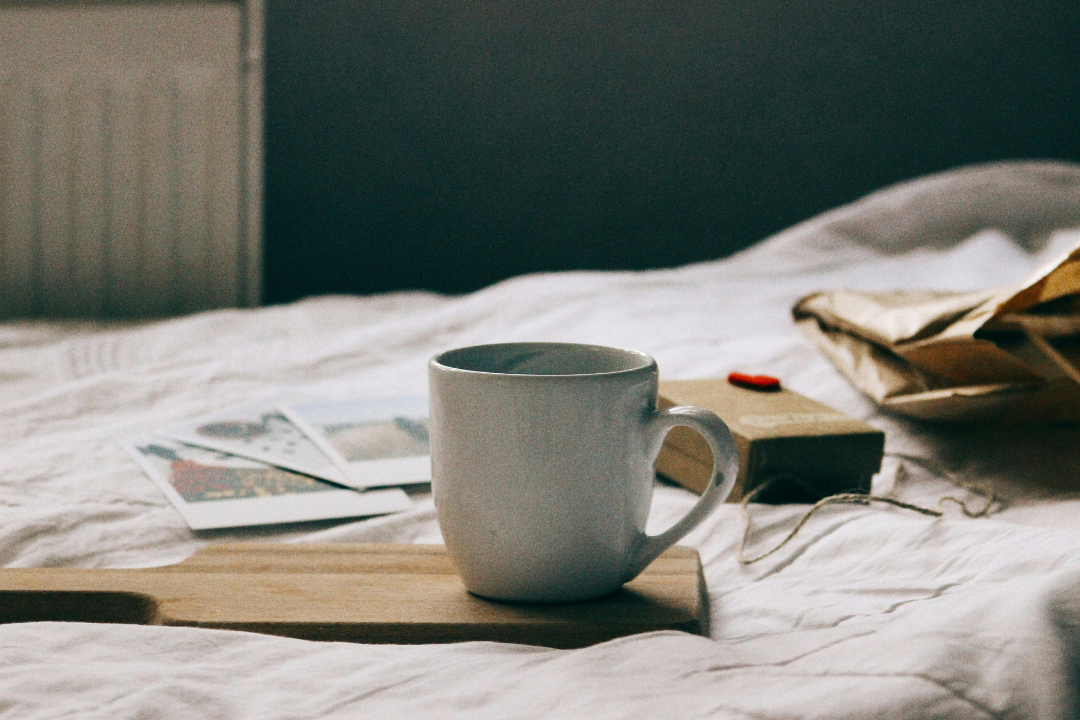
I used to wake up and reach for my phone before I even sat up in bed. Maybe you do this too. Instagram first, then email, then back to Instagram. Your coffee goes cold while you scroll through other people’s lives, feeling worse and worse about your own.
Forty-five minutes would disappear, and my energy would drain. That dull ache of comparison would settle in my chest before I’d even started my day.
Social media was supposed to connect us. For me, it became something I couldn’t stop checking. It wasn’t just my time that disappeared. It was my clarity, my confidence, my ability to be present in my actual life.
If you’ve found yourself stuck in the loop of checking, comparing, and refreshing, you’re not alone. Research from King’s College London found that one in five UK adults feels controlled by their social media use. Here’s what breaking free actually looked like for me.
Key TakeawaysSocial media addiction doesn’t look like addiction at first. It looks like checking one notification, then losing 45 minutes to scrolling. It feels like comparing yourself to strangers and wondering why your life feels flat. The fix doesn’t delete every app or go off-grid. It’s setting small boundaries that actually stick: no phone before breakfast, notifications permanently off, and unfollowing accounts that make you feel worse. One in five UK adults feels controlled by their social media use. You’re not weak for struggling with this. You just need better habits and honest awareness of what scrolling actually costs you. |
What Social Media Addiction Actually Looks Like
Social media addiction doesn’t announce itself. You don’t wake up one day realizing you have a problem. It’s subtler than that.
You’re in bed scrolling at 10 PM. Suddenly, it’s midnight, and you’ve somehow watched a stranger decorate a cake in Bali while wondering why your life feels boring in comparison. You convince yourself you’re “just catching up” when really you’re numbing out.
I didn’t notice how much it was costing me until I realized I was sleeping less, smiling less, and spending more time with my phone than with my partner. A 2022 study in the Journal of Behavioral Addictions found that excessive social media use is connected to disrupted sleep, increased anxiety, and reduced relationship satisfaction. I was a textbook case.
The constant pressure to be interesting, productive, and in the loop wore me down. And the worst part? I didn’t even notice it happening until the damage was already done.
1. Notice What Actually Drains You
One morning, I opened Instagram and immediately felt tense. Nothing dramatic happened. Just perfectly filtered workouts, a few selfies, and a “How I Made £10K This Month” reel.
That quiet voice in my head whispered: You’re not doing enough.
That’s when it clicked. The problem wasn’t me. It was the content I was feeding myself before I’d even brushed my teeth. Your feed shapes your mood, often without you realizing it.
Psychologists call this “social comparison orientation”—your tendency to measure yourself against others. Social media amplifies this massively. Every scroll is a micro-comparison. Your brain processes each one as evidence of your own inadequacy.
Start noticing what leaves you feeling flat or “less than.” Those accounts that make you feel bad about yourself? Mute them. Unfollow them. You don’t owe anyone access to your mental energy, and protecting your peace isn’t selfish.
2. Build a Feed That Feels Like Relief
After a few weeks of ruthless unfollowing, my feed began to shift. I started following artists, educators, slow-living accounts, and people who shared messy, honest slices of life. Suddenly, social media felt softer. More human.
Instead of feeling behind, I felt curious again. The change was subtle at first, but it accumulated. Less comparison culture, more genuine inspiration.
Think about your feed like walking through your home. If something feels cluttered, heavy, or loud, clear it out. Your social media feed should feel like a breath out, not a punch in the gut. You get to control what enters your mental space.
3. Set Small Boundaries That Actually Stick
At first, I tried the hardcore approach. Deleting apps, going full digital detox. It didn’t last. The all-or-nothing pressure made me feel like a failure every time I reinstalled an app.
What worked better? Small boundaries that felt doable and sustainable.
No social media before breakfast. No scrolling in bed. Notifications off permanently.
My brain didn’t love it at first. It had spent months getting rewarded with little dopamine hits every time I checked my phone. But within a few days, I noticed something profound: I had thoughts again. Not other people’s thoughts. Mine.
Research from the University of Pennsylvania found that limiting social media use to 30 minutes per day significantly reduced loneliness and depression. You don’t need to quit cold turkey. You just need friction between you and the scroll.
These small changes helped me reduce screen time without the all-or-nothing pressure of a complete detox. You’re not trying to eliminate social media. You’re trying to use it consciously instead of compulsively.
You don’t need to be available 24/7. Try leaving your phone in another room during meals. See what happens when you’re not constantly reachable.
4. Stop Performing, Start Actually Connecting
I used to post things just to see who’d respond. I’d refresh obsessively, counting likes like they meant something real. Every notification felt like validation, every silence felt like rejection.
But after all that? I still felt lonely. The numbers never filled the gap.
Now I post when something wants to be shared, not when I feel I should. I message friends when I think of them. I comment to connect, not to be seen. The shift from performance to genuine connection changed everything.
Ask yourself before posting: Am I posting to express something, or to impress someone? The answer tells you everything you need to know about your relationship with social media.
5. Drop the Comparison Trap
This one still sneaks up on me. I’ll be five minutes into scrolling and suddenly questioning everything from my job to my jeans. It’s insidious how quickly it happens.
Here’s what helps: I pause, take a breath, and remember that comparison culture is built into these platforms. Everyone’s showing the edited version. You don’t see the awkward pauses, the self-doubt, the dishes piled in the sink. You’re comparing your behind-the-scenes to everyone else’s highlight reel.
I keep a “real wins” note on my phone. Mine has things like: Went for a walk instead of scrolling. Said no to something I didn’t want to do. Cooked a meal I actually enjoyed. These reminders ground me in my life, not someone else’s curated performance.
Your real life, with all its ordinary moments and small victories, is what actually matters. Not the version of life you see through a screen.
6. Reconnect With Real Life (It Feels Weird at First)
I started small. Phone on airplane mode at dinner. Screen-free walks with a friend. Sitting outside with my coffee, phone face down. These felt like radical acts at first.
It felt awkward initially, like I was missing something important. But slowly, I started noticing more. People’s faces. The sound of birds. How good it felt to actually look up and be present.
Schedule offline time like you would a meeting. Make it non-negotiable. You’ll be surprised by what you remember you love when you’re not constantly distracted. Real connection—with yourself, with others, with the world around you—requires presence.
7. Replace Scrolling With Something Real
When I stopped scrolling, I felt twitchy. Restless. Like, I didn’t know what to do with myself. My hands reached for my phone automatically, a reflex built over thousands of repetitions.
But that feeling didn’t mean I was failing. It meant I was finally feeling. The discomfort was my body adjusting to being present instead of constantly stimulated.
Now, when the itch to scroll hits, I have a few go-to alternatives. Stretching. Writing in my journal. Making a slow breakfast. Sometimes I just sit on the floor and stare at the ceiling. It’s underrated. These small rituals gave me back the mental space I didn’t realize I’d lost.
You’re not meant to be entertained every second. Boredom is where creativity, rest, and clarity actually happen. Give yourself permission to just be.
8. When Social Media Addiction Needs Professional Help
If you’re really struggling with this, please know: you’re not weak. You’re not broken. You’re dealing with platforms designed by some of the smartest engineers in the world to be as addictive as possible.
Therapy gave me language for things I couldn’t explain on my own. Why I craved digital validation. Why silence made me uncomfortable. A trained psychologist helped me understand the patterns driving my behavior—anxiety about missing out, perfectionism, and difficulty sitting with discomfort.
Reaching out wasn’t a last resort. It was the first real step toward healing. Sometimes you need more than willpower and app blockers.
If you’re experiencing persistent anxiety, depression, or can’t-stop behaviors around social media, consider talking to a qualified mental health professional. The NHS offers free talking therapies, and many therapists now focus specifically on digital wellbeing.
You Don’t Need to Quit Everything
You don’t have to delete every app. You don’t have to become a minimalist living off-grid in the Highlands. You don’t have to swear off social media forever.
But you do get to choose: What kind of relationship do I want with the online world? What am I giving it, and what is it giving back? These questions matter more than any blanket rule about screen time.
Start small. One boundary. One unfollow. One honest moment of presence. Small changes compound over time into a completely different relationship with technology.
Your life isn’t meant to be lived through a screen. It’s meant to be felt right here, in the messy, beautiful, unfiltered now. You deserve mornings that belong to you, not to an algorithm.