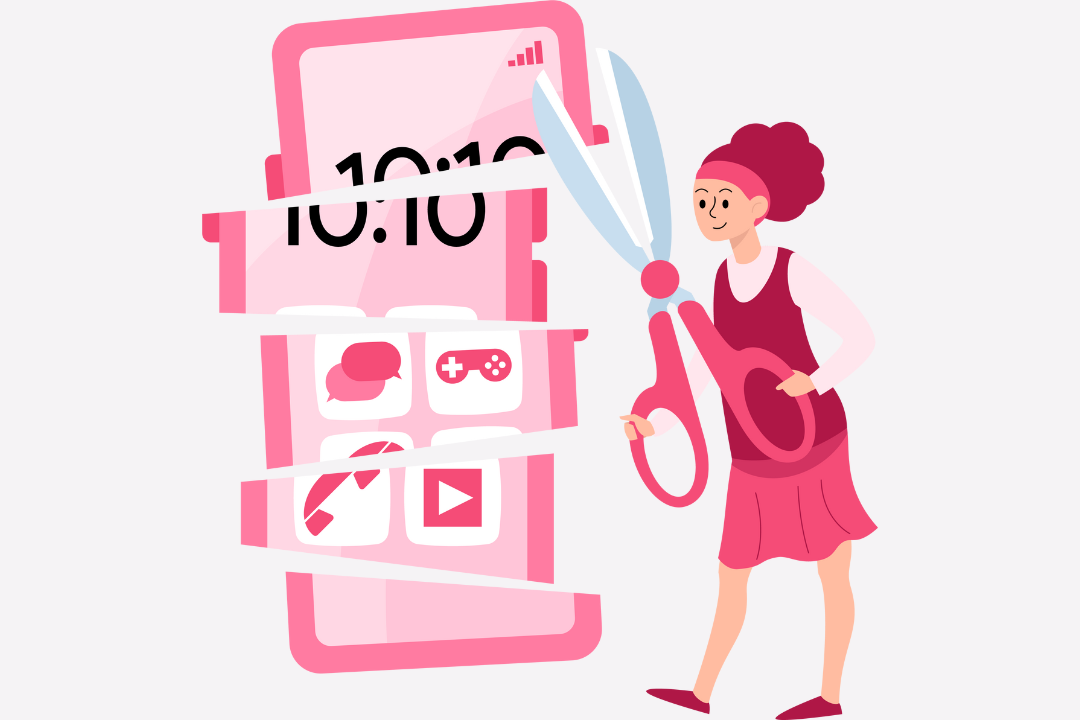
There are mornings that don’t really start until you’ve checked Instagram. Sitting on the edge of the bed, coffee going cold, thumb glued to the screen. It always starts innocently. Replying to a message, checking a notification. But before you know it, 45 minutes are gone. Energy? Sapped. Mood? Flat.
That ache you feel in your chest is often caused by comparison.
Social media was created to help us connect, but sometimes we end up relying on it too much. We lose more than just time. We lose clarity, confidence, and our sense of being present in the real world.
If you find yourself stuck in a cycle of checking, comparing, and refreshing, you’re not alone. Here’s what social media addiction feels like and how you can start to reclaim your life, one mindful step at a time.
How Digital Overload Builds Up
Social media addiction often feels subtle. There’s no warning sign when it starts.
It usually looks like this: you’re in bed, scrolling, and before you know it, it’s late, and you’re watching a stranger decorate a cake, wondering why your own life feels dull in comparison.
Many people tell themselves they’re just catching up, but often it’s a way to numb out. The constant pressure to be interesting, stay up to date, and be productive can wear you down.
The real cost only becomes clear when you notice you’re sleeping less, smiling less, and spending more time on your phone than with the people around you.
1. Recognise What’s Really Draining You
It’s common to feel tense as soon as you open social media. It’s usually nothing dramatic—just a series of perfect workout photos, a few selfies, and a post about making $10K in a month.
That quiet little voice whispers, “You’re not doing enough.”
That’s often when people realize it’s not their fault. It’s the content they see before their day even begins.
Pay attention to what makes you feel drained or not good enough. Mute or unfollow those accounts. You don’t have to give everyone access to your energy.
2. Curate a Feed That Feels Like a Breath Out
After unfollowing accounts that don’t feel right, many people notice their feeds start to change.
When you follow artists, educators, slow-living accounts, and creators who share honest moments, social media starts to feel gentler and more human.
Instead of feeling left behind, you start to feel curious again.
Treat your feed like your home. If something feels cluttered or overwhelming, remove it.
3. Set Gentle Boundaries (and Stick to Them Most Days)
Deleting apps and trying a complete digital detox rarely works for most people.
What usually works better is setting small, manageable boundaries.
No social media before breakfast. No scrolling in bed. Notifications off, permanently.
At first, your brain might resist. But after a few days, you’ll notice a change. Your own thoughts return, not just the ones you see online.
You don’t have to be available all the time. Try leaving your phone in another room during meals and notice what comes up.
4. Stop Performing, Start Connecting
Many people post just to see who responds, refreshing their feed and counting likes as if they really matter.
But even after all that, they still feel lonely.
Sharing something because you truly want to, not because you feel you should, changes your experience. Message friends when you think of them, and comment to connect, not just to be noticed.
Ask yourself: Am I posting to express, or to impress?
5. Drop the Comparison Game
This habit sneaks up on most people. After just five minutes of scrolling, you might start questioning everything from your career to your appearance.
But here’s what can help: pause, take a breath, and remember that everyone is sharing only the edited parts of their lives. You don’t see the awkward moments, the self-doubt, or the messy kitchens.
Keep a note of your real achievements. For example: went for a walk instead of scrolling, said no to something you didn’t want to do, or cooked a meal you enjoyed. These reminders help you stay grounded in your own life
6. Reconnect in Real Life (And Let It Be Imperfect)
Starting small makes a difference. Put your phone on airplane mode during dinner, take walks with a friend without screens, or simply sit outside with your coffee and your phone face down.
At first, it might feel awkward, as if you’re missing something. But over time, you start to notice more—people’s faces, birds singing, and the simple pleasure of looking up.
Set aside offline time as you would for a meeting. Make it a priority. You might be surprised by what you rediscover that you love.
7. Replace the Habit with Something That Actually Feeds You
The truth is, when people stop scrolling, they often feel restless and unsure of what to do next.
But that feeling doesn’t mean you’re failing. It means you’re finally allowing yourself to feel.
Having a few simple alternatives can help. Try stretching, journaling, making a slow breakfast, or just sitting quietly and thinking.
You don’t need to be entertained all the time. Boredom can lead to creativity, rest, and clarity.
8. Professional Support Helps More Than Any App Blocker
If you’re struggling with social media addiction, remember that you’re not weak or broken.
Therapy can help you find words for things that are hard to explain, like why you seek digital validation or feel uncomfortable with silence.
Reaching out for help isn’t a last resort. It’s often the first real step toward healing.
Understanding Why Social Media Becomes Addictive
Social media platforms are built to keep you engaged. They use variable rewards, endless scrolling, and notifications that trigger dopamine. It’s not your fault if you find it hard to step away. These platforms are designed by experts to be as engaging as possible.
Knowing this can help remove shame. Social media addiction isn’t about a lack of willpower. It’s about understanding how these platforms work and making conscious choices about your relationship with them.
What Healthy Social Media Use Looks Like
You don’t have to quit social media completely. Healthy use looks like this:
- Intentional opening. You open apps with a purpose, not out of habit or boredom.
- Time boundaries. You decide how long you’ll spend, and you stick to it most days.
- Content awareness. You notice how different accounts make you feel and adjust accordingly.
- Prioritize real connections. Online interactions should add to your in-person relationships, not replace them.
- Take regular breaks. You can go hours or even days without checking social media and still feel okay.
You’re in a healthier place when social media adds to your life instead of taking it over.
You Don’t Need to Quit. You Need to Choose
You don’t need to delete every app or disconnect completely. But you do have a choice: What kind of relationship do you want with the online world? What are you giving it, and what is it giving back?
Start small. Set one boundary, unfollow one account, or have one honest moment of presence.
Your life isn’t meant to be lived only through a screen. It’s meant to be experienced right here, in the messy, beautiful, and unfiltered present.