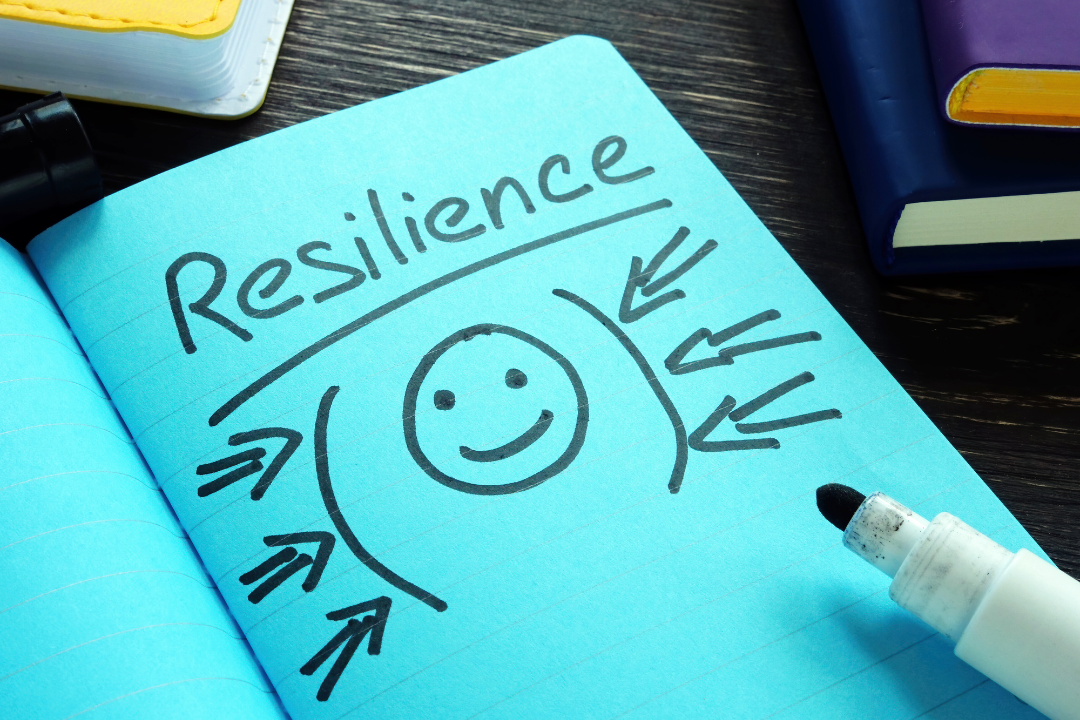
Some people seem to handle hard times differently. They lose their job, their relationship ends, or life throws something completely unexpected at them. And yes, it hurts. Yes, they struggle. But they don’t stay stuck.
They feel it, process it, and somehow find a way forward. Not immediately. Not perfectly. But consistently.
What they have isn’t special DNA or a charmed life. It’s a resilient mindset. And the good news? It’s something you can build.
Resilience isn’t about pretending everything’s fine or pushing through pain without feeling it. It’s about knowing, deep down, that you can handle what comes. Even when it’s hard. Even when you don’t know how yet.
Here’s what that actually looks like, and how you can develop it too.
1. Everything Is Possible (Even If It Doesn’t Look Like It Yet)
This belief hits hardest during rough patches you don’t see coming.
When things feel impossible and specially when you can’t see the way forward or when you’re stuck in brain fog mode, where every option feels too big, too risky, or just out of reach.
But resilient people have usually met someone who’d been through something similar and made it through. Not with a pep talk. Just with proof that walking forward, even without seeing the full path, can lead somewhere better.
That’s the realisation: sometimes, you don’t have to see the full picture. You just have to believe there is one.
Next time you hit a dead end, ask: “What might still be possible here?” Write down three options, even if they feel unrealistic. Just naming them can shift something.
2. I Can Learn Anything
Many people freeze when they don’t know how to do something. New tech? Pass. Tricky conversations? Avoided. But there’s a pattern worth noticing: the people who handle challenges well aren’t experts. They’re learners.
They ask questions, mess up, and keep going.
That mindset shift matters. When you decide to try something you’ve been putting off (maybe managing finances, learning a new skill, having a difficult conversation), you start small. One podcast, one book, one conversation. It’s not easy, but it’s not impossible either. And every tiny win builds confidence.
What’s one thing you’ve been avoiding because it feels unfamiliar? Google it. Try a five-minute tutorial. Ask someone. That first step is where momentum begins.
3. All Problems Are Solvable (Even If the Solution Isn’t Obvious Yet)
Resilient people carry a core belief: “There’s always a way through.”
They feel the stress (they definitely feel it). They just know there’s a step they can take, even if it’s small or not perfect.
This shows up in awkward moments. Like having to apologise for something you got completely wrong. Not comfortable. But asking yourself, “What’s one helpful step I can take now?” and doing it moves you forward.
Next time you’re spiralling, try asking, “What’s the next tiny step I can take?” It moves you from helpless to hopeful quickly.
4. I Am in Control of My Response
This belief often takes the longest to sink in. Many people think control means fixing things or getting outcomes to go their way.
Resilient people see it differently.
Control means knowing you have a say in how you show up, even when everything else feels uncertain. You can set a boundary and then you can pause before reacting. You can choose not to spiral.
That’s a quiet kind of power. And it changes everything.
Make a “control list.” On one side, what’s out of your hands. On the other hand, what’s yours to influence. It’s grounding, especially on chaotic days when everything feels up in the air.
Habits of Self-Made Millionaires: 6 Shifts That Changed Everything
The Resilience Factor
These four beliefs (possibility, learning, solvability, and ownership) work like a personal power grid.
When they’re switched on, you feel steadier. Braver. Less shaken when life goes sideways (which it will).
Believing in possibility keeps you open. Being willing to learn keeps you growing. Trusting that problems have solutions makes you proactive, not passive. And remembering your response is yours? That’s where your real agency lives.
Together, they don’t just help you get through tough times. They help you become someone stronger because of them.
Why These Beliefs Matter
A resilient mindset isn’t about never feeling scared, overwhelmed, or stuck. It’s about what you do with those feelings.
People without these beliefs often get trapped in fixed thinking. “This is impossible.” “I can’t do this.” “Nothing will change.” That thinking creates paralysis.
Resilient people feel the same fears. They just don’t let those fears write the final script.
They ask better questions: “What if there’s a way I haven’t seen yet?” “What’s one thing I could learn that would help?” “What’s one small step I could take today?”
Those questions open doors that “I can’t” keep locked.
Putting It into Practice
So, how do you actually build these beliefs into your day-to-day?
Here’s what helps:
- Interrupt the old script. When you catch yourself saying, “I can’t,” pause and ask, “Who says?” Sometimes it’s an old fear. Sometimes it’s not even yours. That one moment of awareness? That’s the start of something different.
- Speak to yourself as you would someone you care about. Self-talk like “You’re learning” or “You’ve done hard things before” can genuinely help you push through tough days.
- Stay close to people who’ve built resilience. The ones who’ve gone through hard seasons and didn’t lose their softness. Those are the people who show you what’s possible, not because they’re perfect, but because they kept going.
- Track small wins. Keep a note of the times you tried something new, solved a tricky problem, or handled your response well. Proof builds belief.
- Practice in low-stakes moments. Don’t wait for a crisis to build these beliefs. Practice them when choosing what to cook, learning a new app, or handling a minor annoyance. The neural pathways you build in small moments show up in big ones.
Remember: resilience isn’t loud or flashy. It’s built quietly. In the background. One choice, one moment, one small comeback at a time.
What This Looks Like in Real Life
A resilient mindset shows up in everyday moments:
Your plans fall through. You feel disappointed but quickly shift to “okay, what’s plan B?”
You don’t know how to do something. The uncertainty is real, but you think “I can figure this out or find someone who knows.”
A problem feels overwhelming. The stress hits, but you break it into smaller pieces you can actually tackle.
Something’s completely out of your control. You feel frustrated but focus on what you can influence instead.
It’s not dramatic. It’s steady. And that steadiness carries you further than any burst of motivation ever could.
The Bottom Line
Resilient people aren’t fearless. They’re real.
They believe new outcomes are possible. They trust they can figure things out. Challenges look solvable to them, not permanent. And they know they can shape their next move, even if the big picture is still blurry.
That’s a resilient mindset.
You don’t need to build it overnight. You just need to begin. One belief, one step, one new question at a time.
You’re not starting from scratch. You’ve already got the spark. Now it’s about building on it, one small choice at a time.