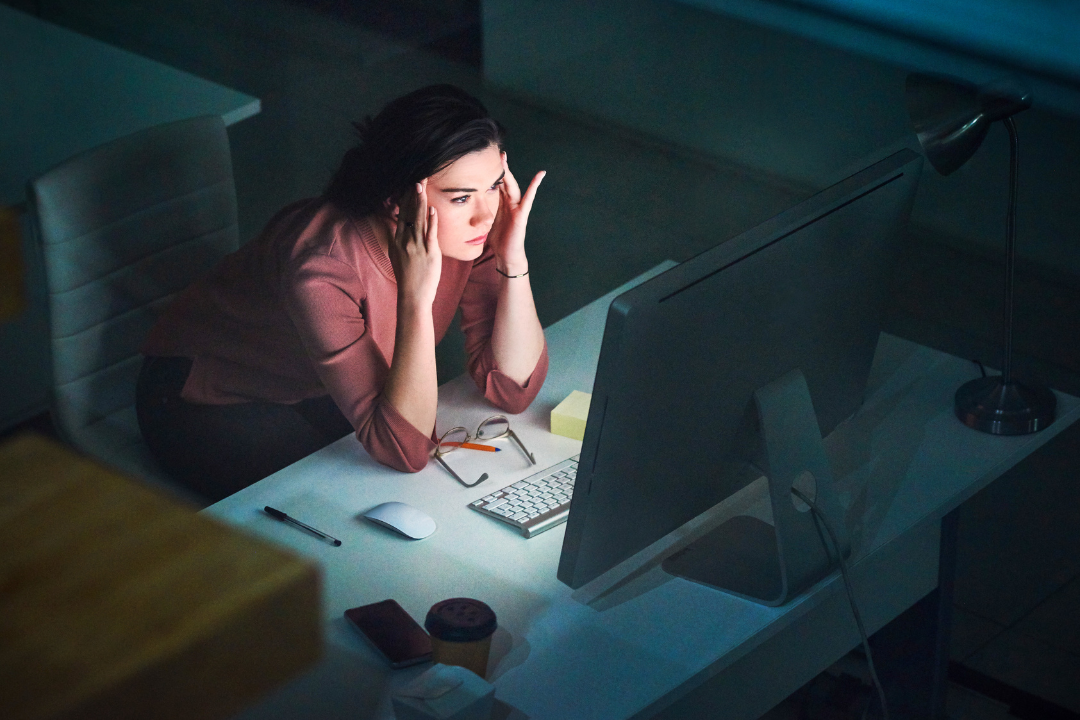
I used to think I wasn’t that stressed, even though life was busy and my to-do list never seemed to end. Since I wasn’t falling apart, I figured I was fine.
At the time, I didn’t realize that stress symptoms aren’t always obvious. Stress isn’t just about panic or tears. Sometimes it shows up as headaches, forgetfulness, or needing another cup of coffee.
Stress can become part of your daily routine so smoothly that you might not notice it until you feel exhausted. That’s why it’s important to watch for the subtle signs, not just the obvious ones.
Here are 12 surprising ways stress might be showing up in your life. If any of these seem familiar, you’re not alone. Let this be a gentle reminder to check in with yourself.
1. Your Sleep’s All Over the Place
I used to think poor sleep was just part of being an adult. But then I noticed a pattern. On nights when I felt especially anxious or restless, I couldn’t fall asleep, or I’d sleep too much and still wake up tired.
If you’re lying awake with a racing mind or sleeping more than usual, these changes in sleep can be your body’s way of telling you something is off. Sleep patterns are often the first thing stress affects.
2. You’re Carrying Tension in Your Body
That dull ache in your neck or tightness in your jaw that you keep trying to stretch out might be caused by stress, not just bad posture or how you slept.
We often hold tension in our bodies without realizing it. For me, my shoulders rise up on stressful days. Your muscles can react to stress even before your mind notices.
3. You’re Catching Every Bug Going Around
It wasn’t until I caught my third cold in two months that I wondered if it was more than just bad luck or a weak immune system.
Long-term stress can weaken your immune system, making it easier to get sick and harder to recover. If you’re not recovering as quickly as you used to, stress might be the hidden reason for those frequent colds.
4. Your Appetite’s Doing Strange Things
Some days, I’d forget to eat until dinner. Other times, I’d find myself reaching for snacks at 10 am for no clear reason.
Stress can change your appetite in unexpected ways. If you’re eating much more or less than usual, pay attention. Your body is sending you an important message.
5. Your Stomach Feels Constantly Unsettled
Your gut has its own nervous system and reacts to stress, even if you try to ignore it. I used to get unexplained stomach pains that went away when I was on holiday. That likely wasn’t a coincidence.
If you keep having bloating, cramps, or digestive changes without a clear food cause, your gut might be reacting to stress. The gut-brain connection is real, and your stomach often notices stress before you do.
6. You’re Leaning Harder on Coffee, Wine, or Sugar
We all have our go-to comforts when life gets overwhelming. For me, it was that second or even third coffee in the afternoon to get through the mental fog.
Drinking more coffee or alcohol, or eating more sugar, can be a sign you’re trying to cope or just get by. Even scrolling on your phone can be a way to escape. Instead of judging yourself, try to notice why you’re reaching for these things.
7. You Can’t Focus Anymore
Have you ever reread the same sentence several times and still had no idea what it said? That’s stress affecting your mind and taking up mental space.
Mental fog or forgetfulness can happen when stress takes over your thoughts and focus. If your mind always feels crowded, it probably is. Stress uses up the mental energy you need for other things.
8. You’re More Snappy or Tearful Than Usual
I once burst into tears over dropping a spoon. Of course, it wasn’t really about the spoon.
When you’re overwhelmed, it’s easier to get upset or emotional over small things. If you’re more irritable or quick to cry lately, don’t be hard on yourself. It’s just your body’s way of telling you that you’re stressed.
9. Your Hair’s Doing Weird Things
Is your hair falling out in clumps or are you seeing sudden grey hairs? I ignored it until I learned that high cortisol levels can actually affect hair growth and color in real ways.
Noticing changes in your hair isn’t about vanity. It’s a sign that your body is under more stress than it can handle.
10. Your Libido Has Shifted
This topic is personal and often not discussed when talking about stress. But stress can definitely affect desire in big ways. For some people, it drops completely, while for others, it increases unpredictably.
There’s nothing wrong or shameful about either response. It’s just another way stress can affect your body’s natural balance and hormones.
11. Your Skin’s Acting Up
I never considered stress when my skin had problems, but it was often the missing factor. Stress can make issues like acne or eczema much worse than usual.
If nothing seems to help your skin and you’ve tried everything, take a step back and think about what else might be happening in your life. Your skin often reflects what’s going on inside your body and mind.
12. You’ve Developed Nervous Habits
For me, it was chewing the inside of my cheek without realizing it. For others, it might be nail-biting, leg-shaking, or tapping fingers throughout the day.
These small habits often happen automatically as a way to release stress. Noticing them without judging yourself is the first step to finding healthier ways to cope.
Recognising Symptoms of Stress
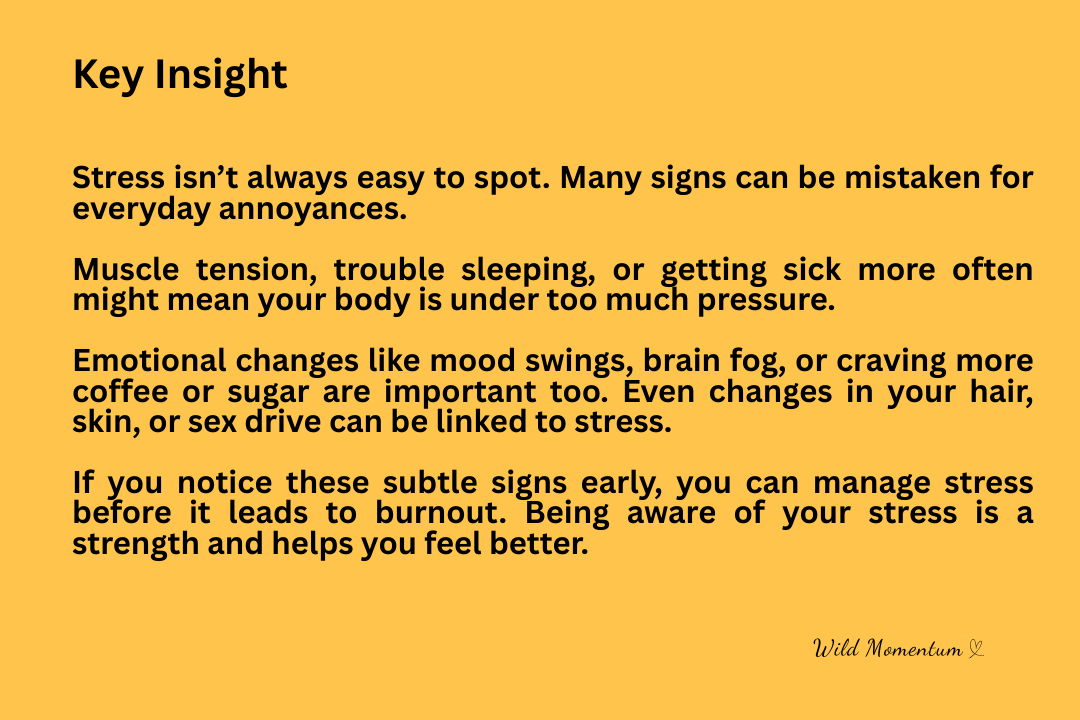
Stress symptoms don’t always look the way you expect. Sometimes stress is quiet, showing up as feeling just tired or just busy until you stop and notice how much you’ve been carrying.
Noticing these signs is important because it helps you make changes before you reach burnout. That might mean going to bed earlier, saying no more often, or pausing before you answer the next email or request.
No matter how stress shows up for you, remember that noticing it isn’t a weakness. Being aware of your stress is an important part of taking care of yourself.
If these symptoms are making daily life difficult or don’t improve even after you try to manage them, consider talking to a healthcare professional. They can help you understand what’s happening and find the right support for you.