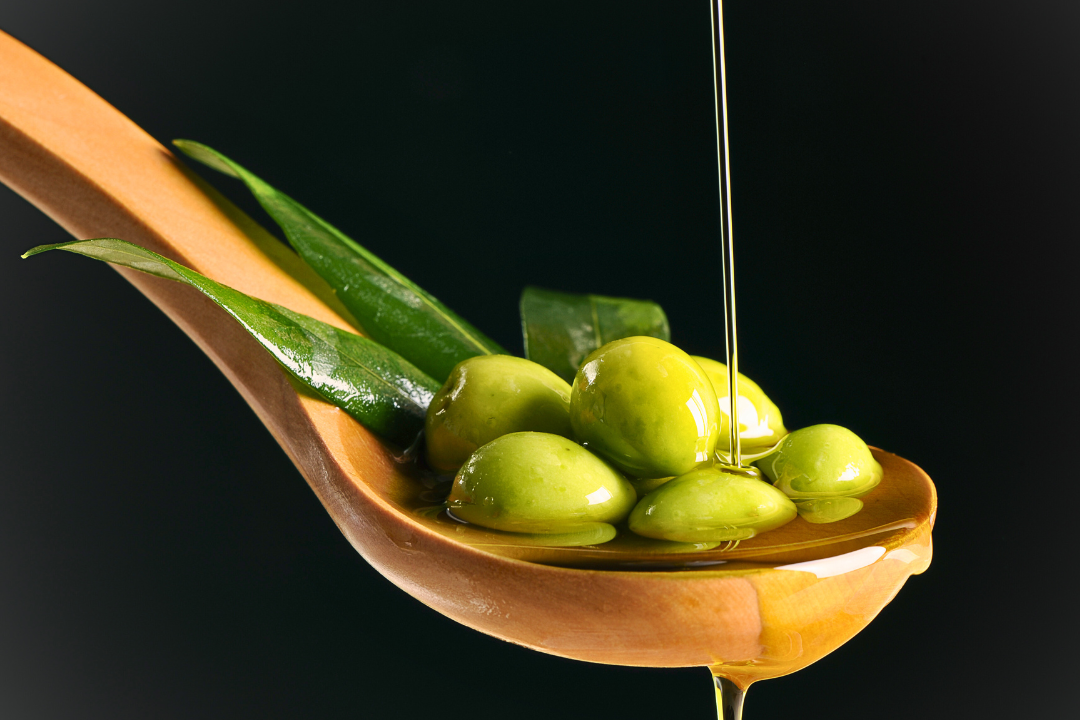
Olive oil has been a staple in Mediterranean diets for thousands of years. But over the past few decades, research has helped us understand why this simple ingredient seems to support so many aspects of health.
The benefits of olive oil go beyond adding flavour to your meals. From protecting your heart to supporting your brain, this golden liquid offers real advantages backed by evidence. Below, you’ll find what olive oil can do for your body, how much to use, and why it might be worth making it a regular part of your routine.
If you have a health condition or take medication, talk to your doctor before adding olive oil to your daily diet, especially if you plan to use larger amounts.
Why Olive Oil Works
Olive oil is rich in monounsaturated fats, particularly oleic acid, which makes up about 73% of its fat content. These fats help lower LDL (bad) cholesterol without affecting HDL (good) cholesterol.
Extra virgin olive oil also contains polyphenols, which are powerful antioxidants that reduce inflammation and protect your cells from damage. Less processed oil keeps more of these compounds intact.
This is why extra virgin olive oil, which is cold-pressed and unrefined, offers more health benefits than refined or light versions.
1. Supports Heart Health
One of the most well-studied benefits of olive oil is its effect on your heart.
People who consume olive oil regularly tend to have lower rates of heart disease. Multiple studies have found that replacing butter or other saturated fats with olive oil can reduce your risk of cardiovascular events by up to 19%.
Olive oil helps by lowering LDL cholesterol, reducing blood pressure, and preventing the oxidation of LDL particles. This process contributes to plaque buildup in your arteries.
If heart health is a concern for you, swapping cooking oils or adding a drizzle of olive oil to meals is one of the easiest changes you can make.
2. Protects Brain Function and Reduces Stroke Risk
Your brain relies on healthy blood flow to function well. Olive oil helps keep your arteries clear and flexible, supporting circulation to the brain and reducing stroke risk.
The Mediterranean diet, which is rich in olive oil, has been linked to better cognitive performance and slower mental decline as people age. Some research suggests this is due to olive oil’s anti-inflammatory and antioxidant effects, which protect brain cells from damage.
While olive oil won’t prevent dementia on its own, it appears to be a helpful part of a brain-healthy eating pattern.
3. May Lower Risk of Certain Cancers
Olive oil’s antioxidants, especially oleocanthal, have been studied for their potential to protect against cancer.
Evidence suggests that people who consume more olive oil have a lower risk of colorectal cancer. Some studies also show protective effects against breast cancer, though more research is needed to confirm these findings.
The antioxidants in olive oil work by neutralising free radicals, which are unstable molecules that can damage cells and contribute to cancer development over time.
4. Helps Stabilise Blood Sugar
If you’re watching your blood sugar or managing Type 2 diabetes, olive oil can help.
Healthy fats slow down digestion, which means glucose enters your bloodstream more gradually. This helps prevent the spikes and crashes that can leave you feeling tired or irritable.
One study found that people who added olive oil to their meals had better blood sugar control compared to those who ate meals with butter or other saturated fats. Over time, this can reduce your risk of developing Type 2 diabetes.
Pairing olive oil with whole grains, vegetables, and lean proteins creates a balanced meal that keeps your energy steady.
5. Reduces Inflammation Throughout the Body
Chronic inflammation is linked to many health problems, including heart disease, arthritis, and metabolic disorders. Olive oil contains compounds that work similarly to anti-inflammatory medications, just more gently.
Oleocanthal, a polyphenol found in extra virgin olive oil, has been compared to ibuprofen for its ability to reduce inflammation. It will not replace medication, but it can help manage inflammation when used regularly.
For people with arthritis, some studies suggest that olive oil may help reduce joint pain and stiffness. The effect is modest but noticeable over time.
6. Supports Weight Management
It might seem strange that adding fat to your diet could help with weight management, but the type of fat matters.
Olive oil is satisfying. It helps you feel full, which can reduce the urge to snack or overeat later. Studies show that people who include olive oil in their meals often consume fewer calories overall and find it easier to stick to healthy eating patterns.
In one study, participants who followed a Mediterranean-style diet with olive oil lost more weight than those on a low-fat diet—even though they weren’t restricting calories as strictly.
Olive oil won’t cause weight loss on its own, but it can make healthy eating feel more sustainable.
7. May Support Mood and Mental Health
Your diet affects your mood more than you might realise. The anti-inflammatory effects of olive oil, combined with its support for brain health, may help reduce symptoms of anxiety and depression.
Some research has found that people who follow Mediterranean-style diets (which include olive oil) report lower rates of depression compared to those who eat more processed foods and saturated fats.
This doesn’t mean olive oil is a treatment for mental health conditions. But as part of a balanced approach that includes other healthy habits, it can support emotional well-being.
How Much Should You Use?
Most studies showing the benefits of olive oil used about 1-2 tablespoons per day. That’s roughly 120-240 calories from fat, so it’s best to replace other fats (like butter or mayonnaise) rather than just adding it on top of what you already eat.
You can:
- Drizzle it over salads or roasted vegetables.
- Use it as a base for homemade dressings.
- Sauté vegetables or fish in it
- Dip whole-grain bread into it as a snack.
Some people take a tablespoon straight in the morning, which is fine if it works for you. Just be aware that olive oil is calorie-dense, so moderation matters.
Choosing the Right Olive Oil
Not all olive oil is created equal. To get the most benefits:
- Choose extra virgin olive oil because it is the least processed and contains the most antioxidants.
- Look for a harvest date on the bottle. Fresher olive oil is better.
- Store olive oil properly by keeping it in a cool, dark place to preserve its nutrients.
- Avoid “light” or heavily refined oils because they have lost most of their beneficial compounds.
Quality matters more than quantity. A good extra virgin olive oil will taste fruity or peppery, sometimes with a slight bitterness at the back of your throat. That’s the polyphenols at work.
What to Remember
The benefits of olive oil are real, but not magical. Olive oil works best as part of a healthy eating pattern that includes plenty of vegetables, whole grains, lean proteins, and limited processed foods.
It won’t reverse heart disease or prevent illness on its own. But it can be a small, consistent habit that supports your health in meaningful ways over time.
Start simple. Swap one cooking fat for olive oil this week. Drizzle it over your next salad. See how it feels to make this small shift.
Your body will notice.