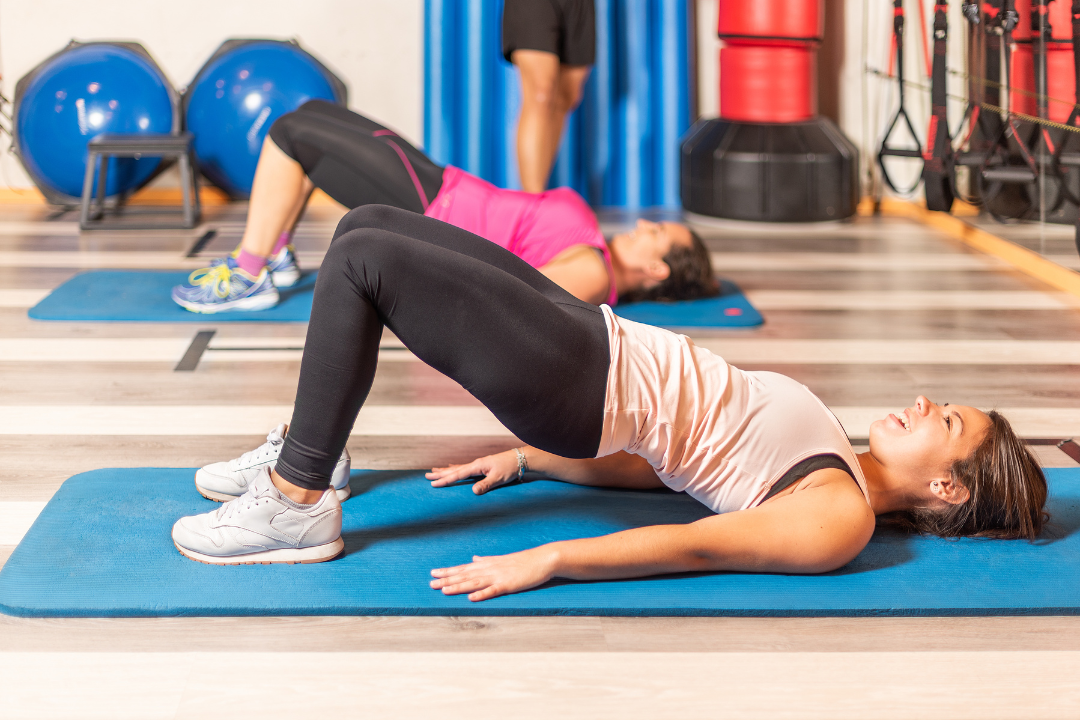
Core strength is not just about having visible abs. It is about how well your body moves, stays stable, and supports you in daily life.
A strong core helps you sit up straight, lift things safely, and get through your day without back pain. It links your upper and lower body, making your movements smoother and more stable.
If your core is weak, other muscles have to work harder. This can lead to back pain, bad posture, or feeling unsteady when you move. Building core strength can improve how your whole body works.
Here are seven exercises that truly build core strength.
Why Your Core Matters More Than You Think
Your core is more than just your abs. It also includes your obliques, lower back, pelvic floor, and the deep muscles around your spine.
These muscles work together to:
- Support your spine during movement
- Stabilize your body during daily activities
- Transfer force between your upper and lower body
- Protect your lower back from injury
- Maintain balance and coordination
Research shows that core training can help reduce back pain and boost athletic performance. You do not have to be an athlete to see benefits. Even small gains in core strength make daily tasks easier and safer.
1. Front Plank: The Foundation of Core Stability
The front plank is a great core exercise because it works your whole torso and helps you learn good body alignment.
How to do it:
- Start in a push-up position with your forearms on the ground
- Keep your elbows directly under your shoulders
- Engage your abs by pulling your belly button toward your spine
- Squeeze your glutes and keep your body in a straight line from head to heels
- Don’t let your hips sag or pike upward
- Hold for 30-60 seconds
Key focus points:
Keep your neck in line with your body. Picture a cup of water on your lower back—if your form slips, the cup would tip. That means it is time to rest and start again.
Breathing is important. Do not hold your breath. Breathe steadily through your nose and keep your core tight the whole time.
Common mistakes:
- Letting hips drop (puts pressure on lower back)
- Raising hips too high (reduces core engagement)
- Holding your breath
- Rushing to increase time before form is solid
Begin with shorter holds and slowly increase your time. Good form is always more important than how long you hold the plank.
2. Side Plank: Strengthen Your Obliques and Improve Balance
Side planks work your obliques and the small muscles along your sides. These muscles are often overlooked but are important for twisting and side-to-side stability.
How to do it:
- Lie on your right side with your forearm on the floor
- Stack your feet or stagger them (bottom foot in front for more stability)
- Lift your hips to form a straight line from head to heels
- Keep your top arm extended toward the ceiling or resting on your hip
- Hold for 30 seconds, then switch sides
What to focus on:
Keep your hips from dropping to the floor. Press the floor away with your forearm to keep your shoulder steady. Your body should feel straight and strong.
Progression options:
- Lift your top leg a few inches while holding the plank
- Add small hip dips (lower hip slightly, then lift back up)
- Hold a weight in your top hand
Only try these harder versions if your basic form is strong. Take your time and do not rush.
3. Dead Bug: Coordination and Deep Core Activation
The dead bug may look easy, but it takes a lot of control. It helps your core keep your spine steady while your arms and legs move.
How to do it:
- Lie on your back with arms extended toward the ceiling
- Lift your legs so your knees are bent at 90 degrees
- Slowly lower your right arm overhead while extending your left leg straight
- Keep your lower back pressed to the floor
- Return to starting position and switch sides
- Do 10-12 reps per side
Key technique:
Keep your lower back flat on the floor the whole time. If it starts to arch, you are moving too far. Make the movement smaller and work up slowly.
Move slowly and with control. Focus on steady movement, not speed.
4. Bird Dog: Balance, Stability, and Lower Back Strength
The bird dog works the muscles along your back and helps with balance and coordination. It is especially helpful for people with lower back problems.
How to do it:
- Start on hands and knees with a neutral spine
- Extend your right arm forward and left leg back simultaneously
- Keep your hips level and your back flat
- Hold for 2-3 seconds
- Return to starting position and switch sides
- Do 10 reps per side
What matters most:
Keep your hips from turning or tilting. Your body should stay level with the floor. Picture a glass of water on your lower back to help you stay steady.
If this is too hard, try lifting just one arm or one leg at a time. Work up to the full movement as you get stronger.
5. Russian Twist: Rotational Strength for Your Obliques
Russian twists help you build twisting strength and work your obliques in a different way than planks or holds.
How to do it:
- Sit on the floor with knees bent and feet flat
- Lean back slightly while keeping your spine long
- Hold a medicine ball, dumbbell, or clasp your hands
- Rotate your torso to the right, then to the left
- Keep your chest open and spine straight
- Do 12-16 total rotations (8 per side)
Technique tips:
Move with control and do not rush the twists. Let your arms follow your torso instead of leading.
Breathe out with each twist. This helps you use your core muscles better and stay in control.
Common mistake:
Rounding your spine forward. Keep your chest up and shoulders back throughout the movement.
6. Mountain Climbers: Core Strength Meets Cardio
Mountain climbers work your core and get your heart rate up at the same time. They are great when you want both core strength and a bit of cardio.
How to do it:
- Start in a high plank position with hands under shoulders
- Drive your right knee toward your chest
- Quickly switch legs, bringing your left knee forward as the right leg extends back
- Keep your hips low and your back flat
- Continue alternating for 30-45 seconds
Focus on:
Try not to let your hips move up and down. Keep them as steady as you can. This will make your core work harder.
Begin slowly to learn the right form. Once you feel comfortable, you can go faster.
Modification:
If moving quickly is too hard, slow down. Move each knee with control instead of speed. You will still work your core even at a slower pace.
7. Hollow Body Hold: Advanced Core Control
The hollow body hold is tough but very effective. Gymnasts use it to build strong core muscles and better body control.
How to do it:
- Lie on your back with arms extended overhead
- Press your lower back flat into the floor
- Lift your shoulders and legs a few inches off the ground
- Keep your arms and legs straight
- Hold this “hollow” position for 20-30 seconds
Key points:
Keep your lower back pressed to the floor. If it starts to lift, bend your knees a bit or raise your legs higher until you can keep contact.
This move may look simple, but it feels tough. If you cannot hold good form for 20 seconds, you are still working hard.
Building an Effective Core Workout
You do not have to do all seven exercises at once. Pick three or four and focus on doing them well.
Sample beginner routine:
- Front plank: 3 sets of 30 seconds
- Dead bug: 3 sets of 10 reps per side
- Bird dog: 3 sets of 10 reps per side
- Rest 30-60 seconds between sets
Sample intermediate routine:
- Front plank: 3 sets of 45-60 seconds
- Side plank: 3 sets of 30 seconds per side
- Russian twist: 3 sets of 16 rotations
- Mountain climbers: 3 sets of 30 seconds
- Rest 30-60 seconds between sets
Sample advanced routine:
- Hollow body hold: 3 sets of 30 seconds
- Side plank with leg lift: 3 sets of 30 seconds per side
- Dead bug: 3 sets of 12 reps per side
- Mountain climbers: 3 sets of 45 seconds
- Rest 30-60 seconds between sets
Work on your core two or three times a week. Always give your muscles at least one day to rest between workouts. Your core needs recovery just like any other muscle.
Form Over Everything
Core exercises are only helpful if you do them with good form. Bad form makes them less effective and can even cause injuries, especially to your lower back.
Signs your form is breaking down:
- Your lower back arches during floor exercises
- You’re holding your breath
- You feel strain in your neck
- Your hips sag during planks
- You’re using momentum instead of control
If your form slips, stop and take a break. Start again with good technique. Do not keep going just to reach a certain time or number of reps.
Common Core Training Mistakes
Mistake 1: Training core every day
Your core muscles need time to recover. Training too often can make you perform worse and raise your risk of injury.
Mistake 2: Only doing crunches
Crunches only work the front of your abs and miss your obliques, lower back, and deep core muscles. A good core routine uses different types of movements.
Mistake 3: Ignoring your breathing
If you hold your breath during core exercises, your muscles do not work as well and your blood pressure can go up. Remember to breathe steadily during each move.
Mistake 4: Neglecting progression
When an exercise feels easy, make it harder by adding time, doing more reps, or trying a tougher version. Your muscles get used to the work, so your routine should change too.
When Core Strength Improves Daily Life
You might notice the benefits of core training in ways you did not expect:
1. Better posture: You’ll naturally sit and stand taller without consciously thinking about it.
2. Less back pain: A strong core supports your spine and reduces the load on your lower back during daily activities.
3. Improved balance: Core stability makes you less prone to trips and falls, especially as you age.
4. Easier lifting: Whether you’re picking up groceries or moving furniture, a strong core makes lifting safer and more efficient.
5. Better athletic performance: If you play sports or do other physical activities, core strength improves power transfer and movement efficiency.

Beyond the Exercises
Core training works best when it is part of a full fitness routine. Try adding these exercises along with:
1. Regular movement: Walking, swimming, or cycling all engage your core to some degree and support overall fitness.
2. Strength training: Working your legs, back, and shoulders also engages your core as a stabilizer.
3. Flexibility work: Stretching tight hip flexors and hamstrings helps your core function more effectively.
4. Proper nutrition: Building muscle requires adequate protein and overall energy intake. Support your training with balanced meals.
The Bottom Line
Core exercises build real strength that helps you in all your activities. These seven moves work your whole core in different ways and at different levels.
Begin with exercises that fit your current fitness level. Make sure your form is good before making things harder. Train regularly, but give yourself enough time to recover.
You do not need to spend hours in the gym or use fancy equipment. All you need is a simple plan and the commitment to stick with it.
Your core is the base for all movement. Take care of it, and you will notice the difference in everything you do.

