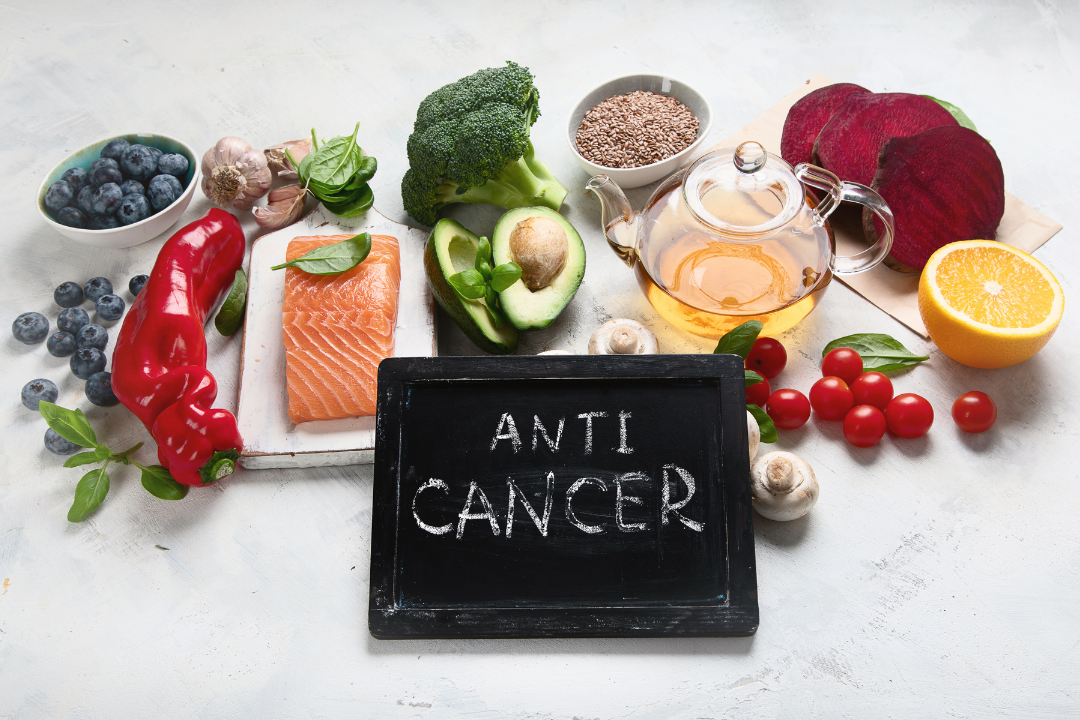
Not all cancer can be prevented, but research shows that your diet can help lower your risk. What you eat and what you avoid can affect inflammation, hormone balance, and how well your cells repair themselves.
Cancer-fighting foods can’t guarantee prevention, but they do support your body’s natural defenses. Here are 10 evidence-backed foods and easy ways to add them to your meals.
If you have a family history of cancer or other risk factors, ask your doctor about a prevention plan that fits your health needs. Diet is just one part of a bigger plan that can also include screening, exercise, and other lifestyle changes.
Why Food Matters for Cancer Risk
Your body handles damaged cells every day. Usually, it repairs or removes them before they cause problems. The way you eat can help this process or make it harder.
Eating lots of processed meats, refined carbs, and sugary drinks is linked to a higher risk of cancer. These foods raise inflammation and insulin, which can help abnormal cells grow.
But eating more fiber, antioxidants, and anti-inflammatory foods helps your body handle stress and keep cells healthy. Cancer-fighting foods aren’t magic, but they help when you eat them often.
The best way to protect yourself is to eat lots of vegetables, fruits, whole grains, and healthy fats, while cutting back on red and processed meats, alcohol, and highly processed foods.
10 Foods That Support Cancer Prevention
1. Cruciferous Vegetables (Broccoli, Kale, Brussels Sprouts, Cauliflower)
Cruciferous vegetables have compounds called glucosinolates. These break down into substances that help your body get rid of harmful chemicals and may slow cancer cell growth.
Several studies show that people who eat more cruciferous vegetables have a lower risk of some cancers, especially lung and colorectal cancer.
How to eat them: Roast Brussels sprouts with olive oil and garlic. Add chopped kale to soups or stir-fries. Steam broccoli and toss it with lemon juice.
2. Berries (Blueberries, Strawberries, Raspberries)
Berries are full of anthocyanins and other antioxidants that help protect your cells from DNA damage.
They also have ellagic acid, which may slow the growth of cancer cells.
Blueberries, in particular, have been linked to lower oxidative stress and inflammation, which are both linked to cancer development.
How to eat them: Add fresh or frozen berries to yoghurt, oatmeal, or smoothies. Snack on them throughout the day.
3. Tomatoes
Tomatoes are a top source of lycopene, a strong antioxidant that gives them their red color. Lycopene is mostly studied for lowering prostate cancer risk, but it may help protect against other cancers too.
Cooking tomatoes, especially with a little healthy fat like olive oil, helps your body absorb more lycopene.
How to eat them: Make tomato-based sauces for pasta or stews. Roast cherry tomatoes and add them to salads. Keep a jar of passata on hand for quick cooking.
4. Garlic
Garlic has allicin and other sulfur compounds that may help stop cancer cells from developing. Studies suggest that eating more garlic can lower the risk of stomach and colorectal cancers.
Fresh garlic works best, as the active compounds form when you crush or chop it.
How to eat it: Crush fresh garlic and let it sit for 10 minutes before cooking to maximise allicin formation. Add it to dressings, soups, or sautéed vegetables.
5. Leafy Greens (Spinach, Swiss Chard, Collard Greens)
Dark leafy greens are full of folate, beta-carotene, and lutein. These nutrients help repair DNA and protect your cells. They also have fiber, which is linked to a lower risk of colorectal cancer.
How to eat them: Add spinach to smoothies, omelettes, or pasta dishes. Sauté Swiss chard with garlic as a side. Use collard greens as wraps.
6. Green Tea
Green tea has catechins, especially EGCG (epigallocatechin gallate). These have been studied for slowing cancer cell growth and protecting healthy cells from damage.
The strongest evidence is for lowering the risk of cancers like breast, prostate, and colorectal, but more research is still needed.
How to drink it: Brew a cup of green tea in the afternoon. Let it steep for 3-5 minutes to extract the most antioxidants. Drink it plain or with a bit of lemon.
7. Turmeric
Curcumin, the main compound in turmeric, has strong anti-inflammatory and antioxidant effects. Lab studies suggest it may slow cancer cell growth and spread, but more research in people is needed.
Adding black pepper to turmeric helps your body absorb more curcumin.
How to eat it: Add turmeric to curries, soups, or rice dishes. Make golden milk by warming milk (dairy or plant-based) with turmeric, black pepper, and a touch of honey.
8. Mushrooms (Shiitake, Maitake, Oyster)
Mushrooms contain selenium, beta-glucans, and other compounds that support immune function and may help prevent the growth of cancer cells. Some varieties, like shiitake and maitake, have been studied more extensively for their potential protective effects.
How to eat them: Sauté mushrooms with thyme and balsamic vinegar. Add them to omelettes, stir-fries, or grain bowls.
9. Flaxseeds
Flaxseeds are high in lignans and omega-3s, which are linked to a lower risk of cancer, especially breast and prostate cancer. They also have fiber that supports gut health.
Grinding flaxseeds makes their nutrients more available to your body.
How to eat them: Grind flaxseeds fresh and add them to smoothies, yoghurt, or overnight oats. Store ground flaxseeds in the fridge to keep them fresh.
10. Probiotic Foods (Yoghurt, Kefir, Kimchi, Sauerkraut)
A healthy gut seems to help prevent cancer, especially colorectal cancer. Probiotic foods keep good bacteria in your gut, which make short-chain fatty acids that protect your colon and lower inflammation.
How to eat them: Have plain yoghurt with berries for breakfast. Add kimchi to rice bowls or eggs. Try kefir in smoothies.
Building Your Cancer-Fighting Plate
You don’t have to eat all 10 of these foods every day. Just try to include them in your meals regularly.
A simple way to start:
- Fill half your plate with vegetables or fruit. Try to get a variety of colors.
- Choose whole grains like brown rice, quinoa, or whole-grain bread.
- Include lean or plant-based protein such as beans, lentils, fish, or poultry.
- Add healthy fats from olive oil, avocados, nuts, or seeds.
Stock your kitchen with easy options like frozen vegetables, canned beans, pre-washed greens, and frozen berries. This way, you can make balanced meals even when you’re busy.
What to Limit
It’s just as important to cut back on certain foods as it is to add healthy ones.
Try to limit:
- Processed meats like bacon, sausage, and deli meats (linked to colorectal cancer)
- Red meat: If you eat it, keep portions moderate and pick lean cuts.
- Ultra-processed foods are high in sugar, refined flour, and unhealthy fats
- Alcohol: If you drink, do so in moderation, since it’s linked to several types of cancer.
You don’t have to cut these foods out completely. Just eating less of them and more cancer-fighting foods can help protect you.
Final Thoughts
Preventing cancer isn’t about being perfect. It’s about building eating habits that help your body over time.
Start by adding one or two foods from this list. Try a new vegetable this week or swap a sugary snack for berries and yogurt. Small, steady changes make a difference.
Your body works hard every day to protect you. Help it by giving it the right foods.