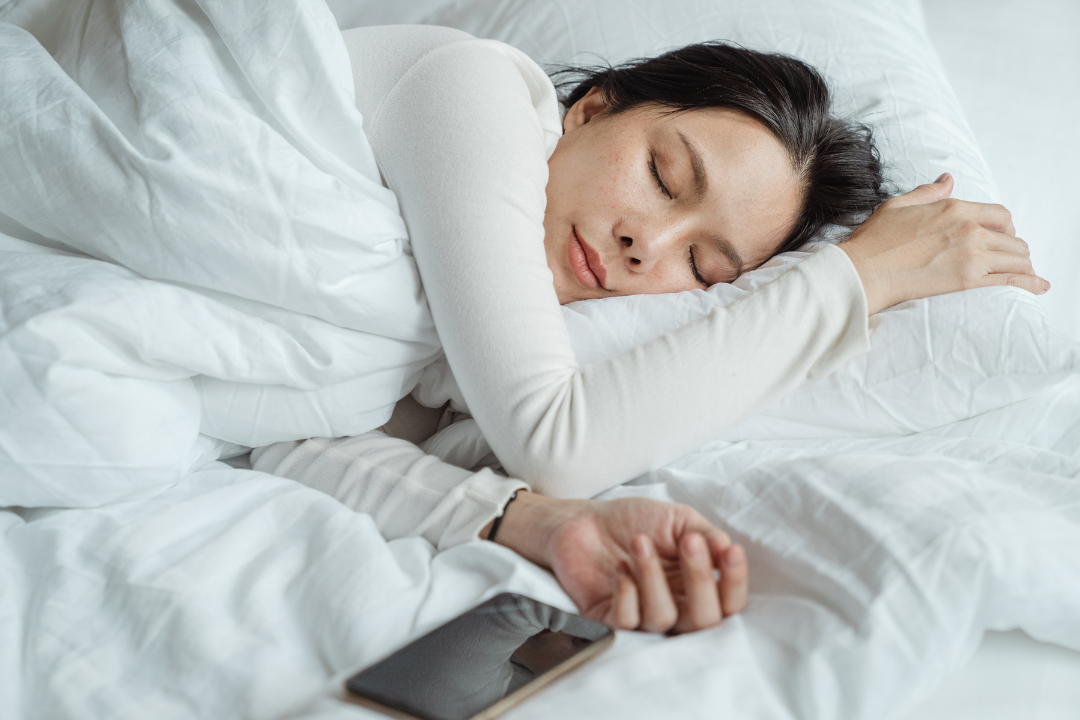
If you feel tired all the time, something’s off with your sleep. Good sleep can change how you feel in major ways. You’ll wake up clearer, your mood stays steadier, you focus better, and your immune system gets stronger.
But good sleep doesn’t just happen. It takes some simple habits that work with your body’s natural rhythms. If you lie awake at night or feel groggy in the morning, these proven tips can help. They’re simple, but you need to stick with them.
Why Sleep Quality Matters
Sleep isn’t just rest. It’s when your body repairs tissue, locks in memories, balances hormones, and strengthens your immune system.
When you don’t sleep enough over time, your risk goes up for several health problems:
- Heart disease and high blood pressure
- Getting sick more often
- Trouble thinking clearly and remembering things
- Depression and anxiety
- Weight gain and blood sugar issues
- Lower ability to handle stress
Most adults need 7 to 9 hours of sleep each night. But how well you sleep matters just as much as how long. Broken or restless sleep doesn’t give you the same benefits as deep, steady sleep.
The good news? You can improve your sleep by changing your daily habits and bedroom setup.
1. Create a Consistent Wind-Down Routine
- Starts 30-60 minutes before your target sleep time
- Involves calming, low-stimulation activities
- Happens in dim lighting
- Stays consistent from night to night
- Reading (physical books, not screens)
- Gentle stretching or restorative yoga
- Taking a warm bath or shower
- Listening to calm music or a podcast
- Writing in a journal
- Drinking caffeine-free herbal tea
- Doing a skincare routine
- Light tidying that feels meditative
2. Reserve Your Bed for Sleep Only
If you regularly use your bed for working, watching TV, scrolling through social media, or other activities, your brain starts to associate your bed with being awake rather than sleeping.
This weakens the mental connection between your bed and sleep.
How to strengthen the bed-sleep connection:
- Move your phone charger away from your bed
- Don’t work from your bed
- Avoid watching TV in bed
- If you can’t sleep after 20 minutes, get up and do a quiet activity elsewhere until you feel sleepy
- Return to bed only when you’re actually tired
At first, this might seem inconvenient, especially if you have a small living space. But drawing a clear mental boundary between your bed and daytime activities usually helps improve your sleep within a few weeks.
The exception? Sex is fine. It often promotes sleep rather than interfering with it.
3. Optimize Your Bedroom Environment
Your sleep environment affects how quickly you fall asleep and how well you stay asleep.
Temperature: Your body temperature naturally drops as you fall asleep. A room that’s too warm interferes with this process. The ideal bedroom temperature for most people is around 15-20°C (60-68°F).
If you tend to run hot, aim for the cooler end. If you get cold easily, aim for the warmer end but use breathable bedding.
Darkness: Light blocks melatonin production. Even small amounts of light from streetlamps, electronics, or hallways can affect your sleep.
Use blackout curtains or an eye mask if your room isn’t naturally dark. Cover or remove electronics with glowing lights. Consider using tape to cover small indicator lights.
Noise: Consistent, predictable noise (such as a fan or a white noise machine) often helps mask disruptive sounds. Sudden or irregular noises are more likely to wake you.
If you can’t control noise levels, try earplugs or a white noise machine.
Comfort: Your mattress and pillow should support your body without causing discomfort. If you wake up with aches or spend the night adjusting position, you might need different bedding.
All these parts of your environment work together. You don’t have to get everything perfect, but fixing the main problems can make a real difference.
4. Reduce Blue Light Exposure Before Bed
Blue light from screens blocks melatonin production more than other types of light. This delays your natural sleep onset and can reduce overall sleep quality.
Evening screen use is associated with later bedtimes, less total sleep, and greater fatigue the next day.
Strategies to minimize blue light impact:
- Stop using screens 1-2 hours before bed (most effective)
- Use blue light filtering apps or settings (Night Shift, Night Mode)
- Wear blue light-blocking glasses in the evening
- Dim your screens to the lowest comfortable brightness
- Switch to activities that don’t involve screens
If you must use screens close to bedtime, at a minimum, use the warmest color settings available and keep brightness low.
The goal isn’t just to avoid blue light. It’s also about swapping out screen time for relaxing activities that help you wind down.
5. Cut Off Caffeine Earlier Than You Think
- Stop consuming caffeine at least 6 hours before bed (for most people, this means no caffeine after 2-3 PM)
- If you’re particularly sensitive, extend this to 8-10 hours
- Remember that caffeine is in coffee, tea, energy drinks, some sodas, chocolate, and some medications
- Herbal tea (rooibos, chamomile, peppermint)
- Water with lemon
- A short walk outside
- A brief rest with your eyes closed
6. Time Your Exercise Appropriately
Regular exercise improves sleep quality. People who exercise regularly fall asleep faster and sleep more deeply than people who don’t move much.
But doing intense exercise right before bed can backfire. It raises your body temperature, makes you more alert, and gets your nervous system going, which can make it harder to fall asleep.
Exercise timing for better sleep:
- Morning or afternoon exercise generally supports better sleep
- Finish intense workouts at least 3-4 hours before bed
- Gentle movement (walking, stretching, restorative yoga) is fine in the evening
- Find what works for your schedule and body
If evening is your only option for exercise, you have a few choices:
- Keep workouts moderate rather than intense
- Allow more time between exercise and bed
- Try gentler forms of movement that don’t significantly raise your heart rate
The benefits of regular exercise for sleep are much greater than any worries about timing. If working out in the evening helps you stay active, it’s better to do that than skip exercise altogether.
7. Be Mindful of Evening Food and Alcohol
What and when you eat in the evening affects your sleep quality.
Large meals: Eating a heavy meal within 2-3 hours of bedtime can cause discomfort and indigestion that interferes with sleep. Your body diverts resources to digestion, which can make it harder to settle into deep sleep.
If you need to eat late, choose lighter options. Going to bed hungry can also disrupt sleep, so find the balance that works for you.
Alcohol: While alcohol might make you feel sleepy at first, it messes with your sleep quality significantly. Alcohol:
- Reduces REM sleep (important for memory and learning)
- Increases sleep disruptions in the second half of the night
- Can worsen snoring and sleep apnea
- Causes more frequent bathroom trips
If you drink alcohol, finish it at least 3-4 hours before bed to minimize sleep disruption.
Light evening snacks that might help sleep:
- Small portions of complex carbs (whole grain crackers, oatmeal)
- Foods containing tryptophan (turkey, milk, bananas, nuts)
- Magnesium-rich foods (almonds, pumpkin seeds, leafy greens)
The evidence for sleep-promoting foods isn’t strong, but if you’re really hungry, having a light snack is better than going to bed uncomfortable.
Building Sustainable Sleep Habits
How to approach sleep improvement:
Common obstacles and solutions:
When to Seek Professional Help
If you’ve tried to get good sleep for several weeks and still struggle, speaking with a healthcare professional is beneficial.
Persistent sleep problems can indicate:
- Sleep disorders (sleep apnea, restless leg syndrome, insomnia)
- Mental health conditions (anxiety, depression)
- Medical conditions affecting sleep
- Medication side effects, if you are taking any
A sleep specialist can assess your situation and provide targeted treatment. Sleep disorders are common and treatable, but they don’t usually resolve through lifestyle changes alone.
Don’t ignore ongoing sleep problems. Good sleep is too important for your health to settle for feeling tired all the time.
The Bottom Line
Better sleep comes from consistent habits that work with your body’s natural sleep processes. You don’t have to change everything at once.
Start with the tips that tackle your biggest sleep challenges. Maybe you need a wind-down routine, or maybe you need to cut caffeine earlier in the day. Add more changes as you go, and give yourself time to adjust.
Sleep isn’t a luxury. It affects every part of your health and how you function during the day. Making small, steady changes is what leads to lasting results. You don’t have to be perfect, just a little more mindful about your sleep habits.
Your body already knows how to sleep. Sometimes you just need to clear away what’s getting in the way.